
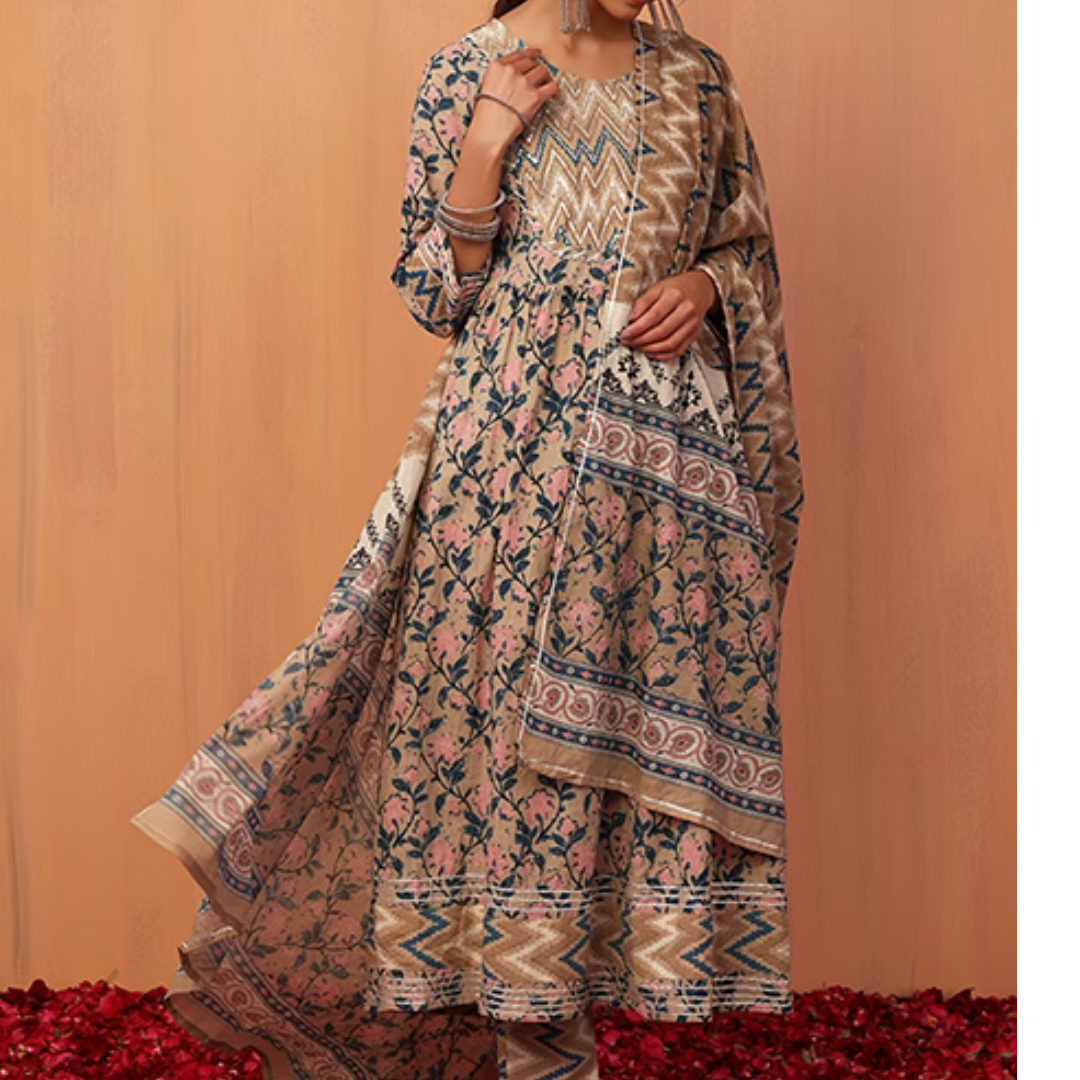
Traditional and Ethnic Wear reflects the rich cultural heritage and craftsmanship of various regions. Handloom garments in this category often use time-honored weaving techniques to produce fabrics that carry historical significance. These garments are worn during festive occasions, weddings, religious ceremonies, and cultural events, showcasing the beauty of traditional textiles. Ethnic wear incorporates regional fabrics and designs, such as intricate embroidery, block printing, and tie-dye, making it an integral part of cultural identity.
Key Points:
- Fabrics and Weaves:
- Khadi: Handwoven cotton fabric symbolizing India’s independence movement, known for its breathability and rustic charm.
- Silk: Luxurious fabric used in sarees, lehengas, and sherwanis, ideal for special occasions.
- Cotton: Light, soft, and breathable, used in both formal and casual ethnic wear, especially in regions with warm climates.
- Wool: Used for colder climates, especially in traditional shawls, sweaters, and winter wear.
- Linen: A fine, natural fiber used in ethnic wear for both comfort and elegance.
- Types of Traditional Garments:
- Sarees: A classic piece of clothing, often worn with intricate handloom designs, such as Banarasi, Kanjivaram, and Tussar silk sarees.
- Lehengas: A long skirt paired with a blouse and dupatta, often worn at weddings or cultural festivals.
- Salwar Kameez: A versatile ensemble comprising a long tunic (kameez) and loose trousers (salwar), ideal for both formal and casual wear.
- Sherwanis: A long coat-like garment worn by men, often paired with churidar pants, commonly worn at weddings or cultural events.
- Kurtas: Traditional tunic worn by men and women, paired with leggings, dhotis, or salwars.
- Designs and Embellishments:
- Embroidery: Intricate threadwork such as Zardozi, Chikan, and Kantha embroidery that adds elegance and richness to ethnic wear.
- Block Printing: Traditional technique where patterns are carved on wooden blocks and stamped onto fabric, creating unique, regional designs.
- Tie-Dye and Bandhani: Ancient dyeing techniques used in traditional garments, popular in regions like Rajasthan and Gujarat.
- Mirror Work and Beading: Decorative elements used to enhance the garment’s appearance, particularly in wedding and festive wear.
- Occasions and Significance:
- Festivals: Ethnic wear is often worn during major cultural and religious celebrations, such as Diwali, Eid, or Holi.
- Weddings: Specially crafted garments, such as bridal sarees, lehengas, and sherwanis, are designed for weddings and other celebratory events.
- Religious Ceremonies: Traditional wear is often chosen for religious rituals and pilgrimages, symbolizing respect and devotion.
- Regional Variations:
- South Indian: Kanjivaram and Mysore silk sarees, lungis, and pattu sarees.
- North Indian: Banarasi sarees, lehengas, and embroidered dupattas.
- Western India: Bandhani, mirror work, and ghagras, popular in Gujarat and Rajasthan.
- Eastern India: Sambalpuri sarees, Baluchari sarees, and tribal designs from Odisha and West Bengal.
- Himachali and Kashmiri: Woolen shawls like Pashmina and Kullu shawls, worn during the colder months.
- Comfort and Versatility:
- Handwoven ethnic garments are designed to offer comfort while reflecting cultural aesthetics. Fabrics such as khadi and cotton allow for breathability and ease, while silk and wool provide warmth and elegance.
- Ethnic wear can be styled for different occasions by mixing traditional elements with contemporary accessories and styling.
- Sustainability:
- Handloom ethnic wear is eco-friendly, often made from natural fibers that are biodegradable.
- Supporting artisans and small-scale handloom industries helps promote sustainable fashion and fair trade practices.
Incorporating handwoven Traditional and Ethnic Wear into your wardrobe allows you to embrace cultural heritage, celebrate special occasions, and support sustainable craftsmanship while enjoying timeless beauty and comfort.


Reviews
There are no reviews yet.