
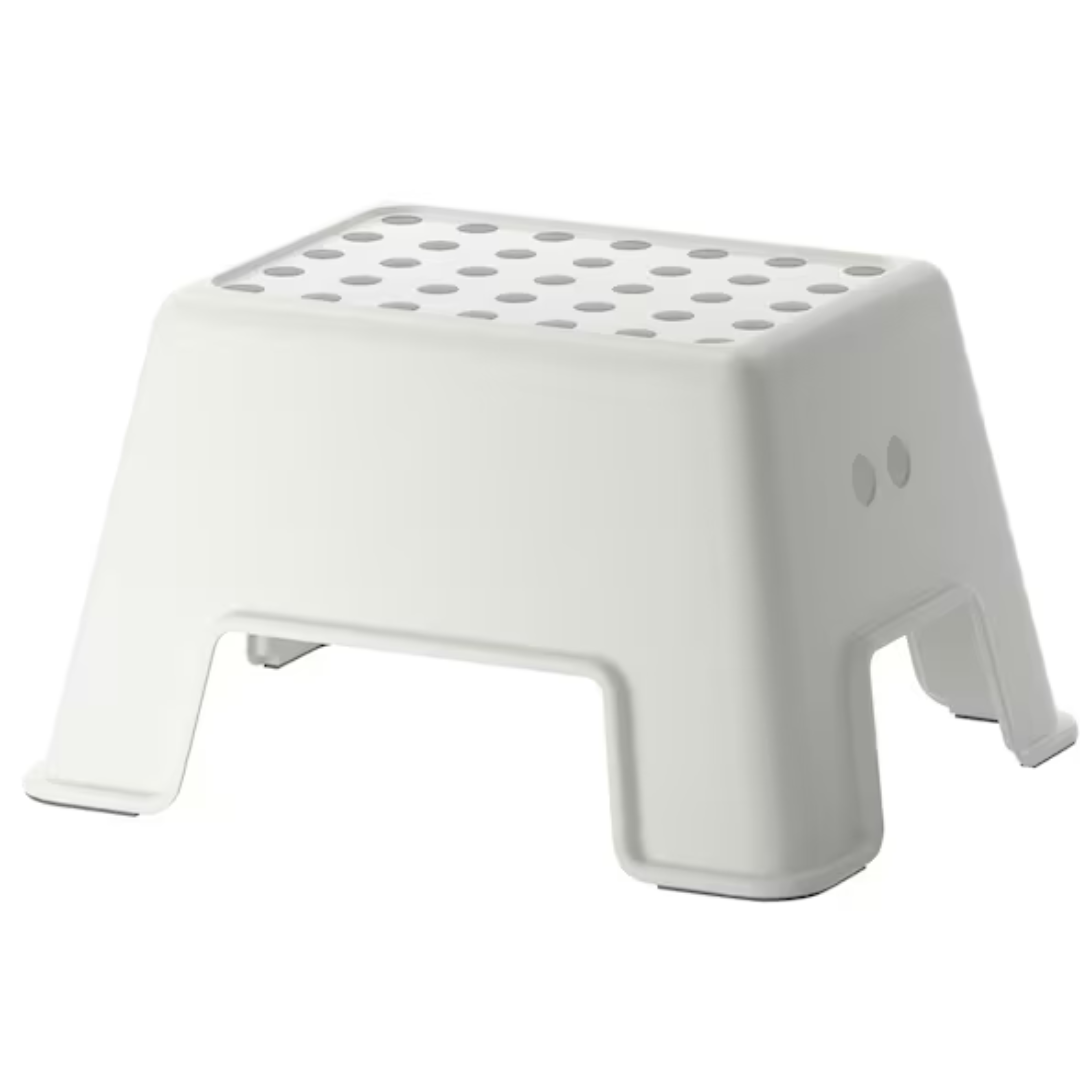
A step stool is a compact, portable piece of furniture designed to help individuals reach higher places safely and easily. It is commonly used in a variety of settings, from homes to workplaces, and is especially useful for tasks that require extra height, such as accessing high shelves, changing light bulbs, or reaching items in cabinets or closets. Step stools are designed for convenience, portability, and safety, offering a stable platform for users of all ages to perform tasks that would otherwise require a taller ladder.
Design and Construction
Step stools are generally lightweight and compact, making them easy to move and store. The basic design features one or two steps, although some larger models may include three or more steps. The materials used in their construction vary widely, but common options include:
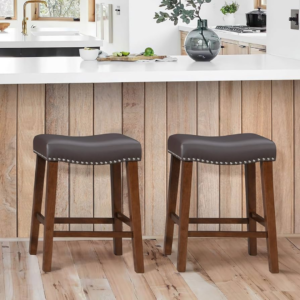
- Wood: Traditional wooden step stools have a timeless, sturdy design. They are often made of hardwood like oak, maple, or pine, which provides durability and strength.
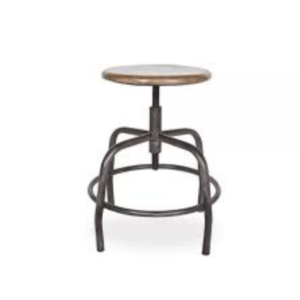
- Metal: Metal step stools are usually made from lightweight yet strong materials such as aluminum or steel. These offer a modern, industrial look and are particularly useful in areas like workshops or offices where durability and strength are essential.
- Plastic: Plastic step stools are lightweight, often foldable, and easy to clean. They tend to be more affordable and are frequently used in kitchens, bathrooms, and other household settings.
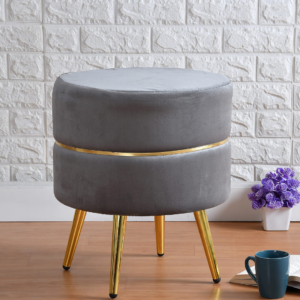
- Combination Materials: Many step stools combine different materials (e.g., a metal frame with wooden or plastic steps) to achieve a balance of strength, durability, and aesthetic appeal.
Features and Functionality
- Step Size and Height: Step stools typically come in one-step or two-step versions, although models with three or more steps are available. The height of the stool can vary, but the average one-step stool provides a height of around 6 to 8 inches, while a two-step stool may provide around 12 to 15 inches of additional height. The height is sufficient for most household tasks like reaching kitchen shelves, changing light bulbs, or accessing high closets.
- Non-slip Surfaces: Safety is a key consideration when choosing a step stool. Many models feature non-slip steps made of rubber, textured plastic, or a grip-friendly coating to reduce the risk of slipping. Additionally, the bottom of the stool may be equipped with rubberized feet or anti-slip pads to ensure stability while in use.
- Folding Mechanism: Some step stools are designed to be foldable, making them easy to store in tight spaces like closets, kitchens, or garages. A folding step stool is ideal for people who need a portable solution but have limited storage space.
- Height Adjustment: Some step stools come with adjustable heights, allowing users to customize the stool to the specific task at hand. This is particularly useful for taller shelves or when the stool is used by people of varying heights.
- Weight Capacity: The weight capacity of a step stool typically ranges from 200 to 300 pounds, though heavy-duty models can support more weight. It’s important to select a stool with an appropriate weight capacity for the user and intended purpose.
Uses and Applications
Step stools are versatile tools that can be used in many environments:
- Home Use:
- Kitchen: Step stools are commonly used in kitchens to reach high cabinets, shelves, or top cupboards. They can also help with tasks like changing light bulbs or cleaning hard-to-reach areas.
- Bathroom: In bathrooms, step stools provide an easy way to reach high shelves or cabinets. They are also used for children to reach sinks, countertops, or toilets.
- Bedroom and Living Rooms: Step stools help in accessing high closets or shelves, especially for items stored in hard-to-reach places.
- Cleaning and Maintenance: Whether it’s dusting, washing windows, or reaching ceiling fans, step stools provide the necessary elevation for these chores.
- Workshops and Offices:
- Workshops: Step stools are often used in garages, workshops, or craft rooms to reach shelves or high storage units. Metal or heavy-duty models are commonly used in these environments due to their durability.
- Office Use: In offices, step stools help employees reach high filing cabinets or shelving units. They are also used in libraries or storage rooms to access materials stored on upper shelves.
- Child and Pet Use:
- Children: Step stools are frequently used for helping young children reach sinks, counters, or toilets in the bathroom. Child-friendly models are often designed with safety features, such as rounded edges and non-slip steps.
- Pets: Step stools are sometimes used for pets, especially small dogs, to reach higher surfaces like couches, beds, or cars.
Advantages
- Portability: Step stools are lightweight and easy to move around, making them ideal for tasks around the house or in the workplace.
- Space-Saving: Many step stools are foldable or have slim profiles, allowing them to be stored in small spaces, such as closets, drawers, or behind doors.
- Safety: When used correctly, step stools provide a safer alternative to climbing on unstable furniture like chairs or tables. Their design ensures stability while offering the necessary height to complete tasks.
- Affordability: Step stools are generally more affordable than ladders, providing an economical solution for homeowners or businesses that need occasional extra height.

Reviews
There are no reviews yet.