
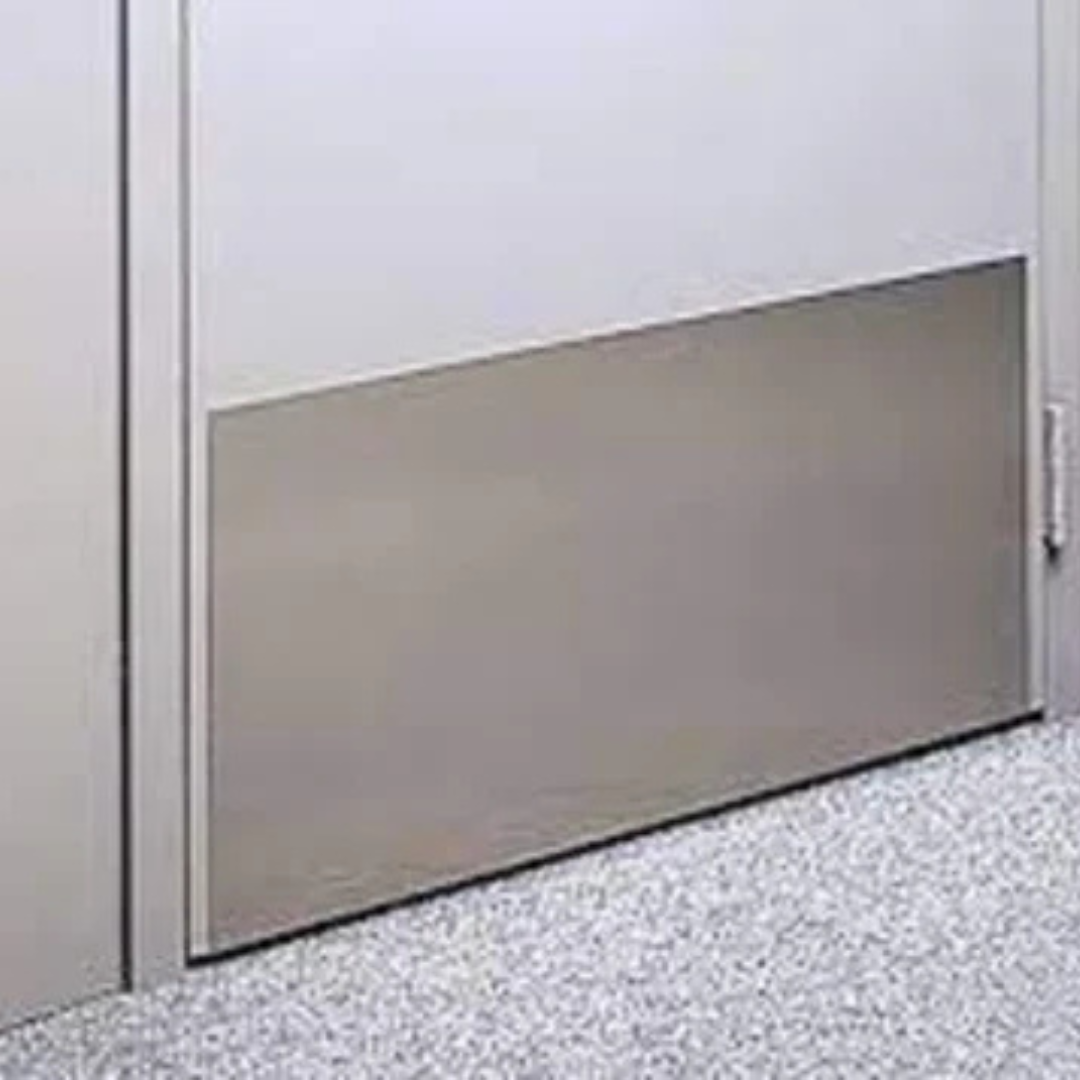
Kick plates are protective panels typically made of metal or durable plastic, installed at the bottom of doors to protect the door surface from damage caused by foot traffic, cleaning, or impact. They are commonly found in high-traffic areas where doors are frequently opened and closed, such as entryways, kitchens, and commercial buildings. In addition to providing physical protection, kick plates also add an aesthetic element to doors, offering a clean, polished finish.
1. What Are Kick Plates?
A kick plate is a flat, rectangular piece of material, usually installed at the lower part of a door, where it is most susceptible to damage from kicks, scuffs, and abrasions. These plates serve as a barrier, preventing damage to the door from daily activities such as pushing open with shoes, bumping with carts, or the frequent use of cleaning equipment. Kick plates are especially important for doors in commercial or industrial environments, but are also useful in residential settings where durability and aesthetics are priorities.
2. Materials Used for Kick Plates
Kick plates are made from a variety of materials, each offering different levels of durability, style, and functionality. The most common materials used for kick plates include:
a. Stainless Steel
- Durability: Stainless steel kick plates are one of the most popular options due to their strength and durability. They are resistant to rust, corrosion, and staining, making them ideal for both indoor and outdoor applications.
- Aesthetic Appeal: Stainless steel provides a sleek, modern look and is especially popular in commercial settings like office buildings, restaurants, and hotels.
- Low Maintenance: These plates require minimal maintenance, as they can be easily wiped clean and do not show fingerprints or smudges easily.
b. Aluminum
- Lightweight: Aluminum kick plates are lighter than stainless steel but still provide good protection for doors. They are resistant to corrosion, making them suitable for both interior and exterior use.
- Cost-Effective: Aluminum is typically less expensive than stainless steel, making it a more budget-friendly option for residential and commercial use.
- Variety of Finishes: Aluminum can be anodized or coated in different finishes, providing a range of color options to suit various door styles and aesthetics.
c. Brass
- Elegant and Timeless: Brass kick plates add a classic, elegant touch to doors. They are often used in residential settings or high-end commercial spaces where a traditional look is desired.
- Durable: Brass is corrosion-resistant and highly durable, making it a great choice for areas with heavy foot traffic.
- Antique or Aged Appearance: Brass naturally develops a patina over time, giving it a distinctive, aged look that many find appealing.
d. Plastic or Vinyl
- Affordable: Plastic or vinyl kick plates are a budget-friendly alternative to metal options. They are lightweight and easy to install, making them a popular choice for residential doors.
- Flexibility: These materials can be easily cut to size and come in a variety of colors and finishes, allowing homeowners to match the kick plate with the door and room decor.
- Less Durable: While plastic kick plates are resistant to scratches and dents, they may not offer the same level of durability or protection as metal versions.
e. Bronze
- Luxury Appeal: Bronze kick plates offer a luxurious appearance, often used in upscale commercial environments or as a statement piece in residential properties.
- Durable: Like brass, bronze is corrosion-resistant and durable, providing long-lasting protection for doors.
3. Benefits of Kick Plates
Kick plates offer several key advantages, making them a worthwhile investment for both residential and commercial properties. Here are the primary benefits of installing kick plates:
a. Protection for Doors
Kick plates act as a barrier, protecting the lower part of the door from scratches, dents, and damage caused by foot traffic, cleaning tools, or impacts. This is especially important in high-traffic areas where doors are subjected to frequent contact with feet, carts, and equipment.
b. Extended Door Lifespan
By protecting the door’s surface, kick plates help extend the lifespan of the door. They prevent premature wear and tear, keeping the door looking new for a longer period and delaying the need for costly repairs or replacements.
c. Improved Durability
Kick plates made from durable materials such as stainless steel or aluminum offer superior resistance to corrosion, rust, and staining, even in outdoor environments or areas with high humidity. This helps maintain the door’s functionality and appearance over time.
d. Aesthetic Enhancement
Kick plates are available in a wide variety of materials, finishes, and styles, allowing you to enhance the overall appearance of your doors. They can add a polished, modern, or classic touch to doors, helping to complement the decor of both residential and commercial spaces.
e. Ease of Maintenance
Kick plates are easy to clean and maintain. Metal kick plates, in particular, can be wiped down with a damp cloth to remove dirt, grime, or fingerprints. They require minimal upkeep and retain their finish for years.
f. Noise Reduction
In some cases, kick plates can help reduce noise by absorbing some of the impact or sound made when the door is used. This is particularly useful in environments where doors are opened and closed frequently, such as commercial buildings or busy households.
g. Improved Safety
In commercial environments, kick plates can also improve safety by preventing shoes or carts from catching on the bottom of the door, which could lead to trips or falls. They ensure that the lower part of the door is smooth and free of protrusions.
4. Applications of Kick Plates
Kick plates are used in a variety of settings to protect doors and enhance their appearance:
a. Residential Doors
Kick plates are commonly installed on front doors, kitchen doors, or other high-traffic interior doors in homes. They protect against dirt, scratches, and wear, while also adding an aesthetic touch. A brass or stainless steel kick plate can elevate the look of a residential door, creating a polished, sophisticated entrance.
b. Commercial and Industrial Doors
In commercial and industrial settings, kick plates are a must-have. They provide essential protection for doors that see heavy daily use, including office buildings, restaurants, hotels, hospitals, schools, and warehouses. Metal kick plates are especially suited for these environments because of their durability and resistance to wear and corrosion.
c. Hospitality Industry
In hotels, restaurants, and other hospitality settings, kick plates help maintain the appearance of high-use doors while protecting them from the constant opening and closing. They also contribute to a professional, sleek look in both guest rooms and public areas.
d. Public Buildings and Institutions
Kick plates are widely used in public buildings, such as government offices, libraries, museums, and schools, where doors are frequently used by many people. These areas benefit from the added protection, longevity, and aesthetic appeal that kick plates offer.
5. Installation of Kick Plates
Installing kick plates is a relatively simple process, though it requires accurate measurements to ensure a proper fit. The general steps for installation include:
- Measure the Door: Measure the width and height of the area where the kick plate will be installed. This ensures the plate will cover the correct portion of the door.
- Select the Right Kick Plate: Choose a material and finish that matches or complements the door and surrounding decor.
- Clean the Door Surface: Wipe down the area where the kick plate will be installed to remove dirt, dust, or grease.
- Mark the Placement: Using a pencil or marker, indicate where the kick plate will be positioned on the door.
- Attach the Kick Plate: Kick plates can be installed using screws, adhesive strips, or mounting brackets, depending on the material of the plate and the door. Ensure that the plate is properly aligned and firmly attached.
- Check for Alignment and Secure Fit: After installation, check to ensure the kick plate is securely in place and aligned evenly along the door.
6. Maintenance of Kick Plates
Kick plates are generally low-maintenance but should be periodically checked for wear and cleaned to ensure their longevity:
- Clean Regularly: Wipe the kick plate with a damp cloth to remove dirt and debris. For metal plates, use a cleaner appropriate for the material (e.g., stainless steel cleaner for stainless steel plates).
- Inspect for Damage: Check for scratches, dents, or signs of wear that may require repairs or replacement, particularly in high-traffic areas.
- Reapply Finish: Some materials, such as brass or aluminum, may require occasional polishing or re-coating to maintain their appearance.

Reviews
There are no reviews yet.