
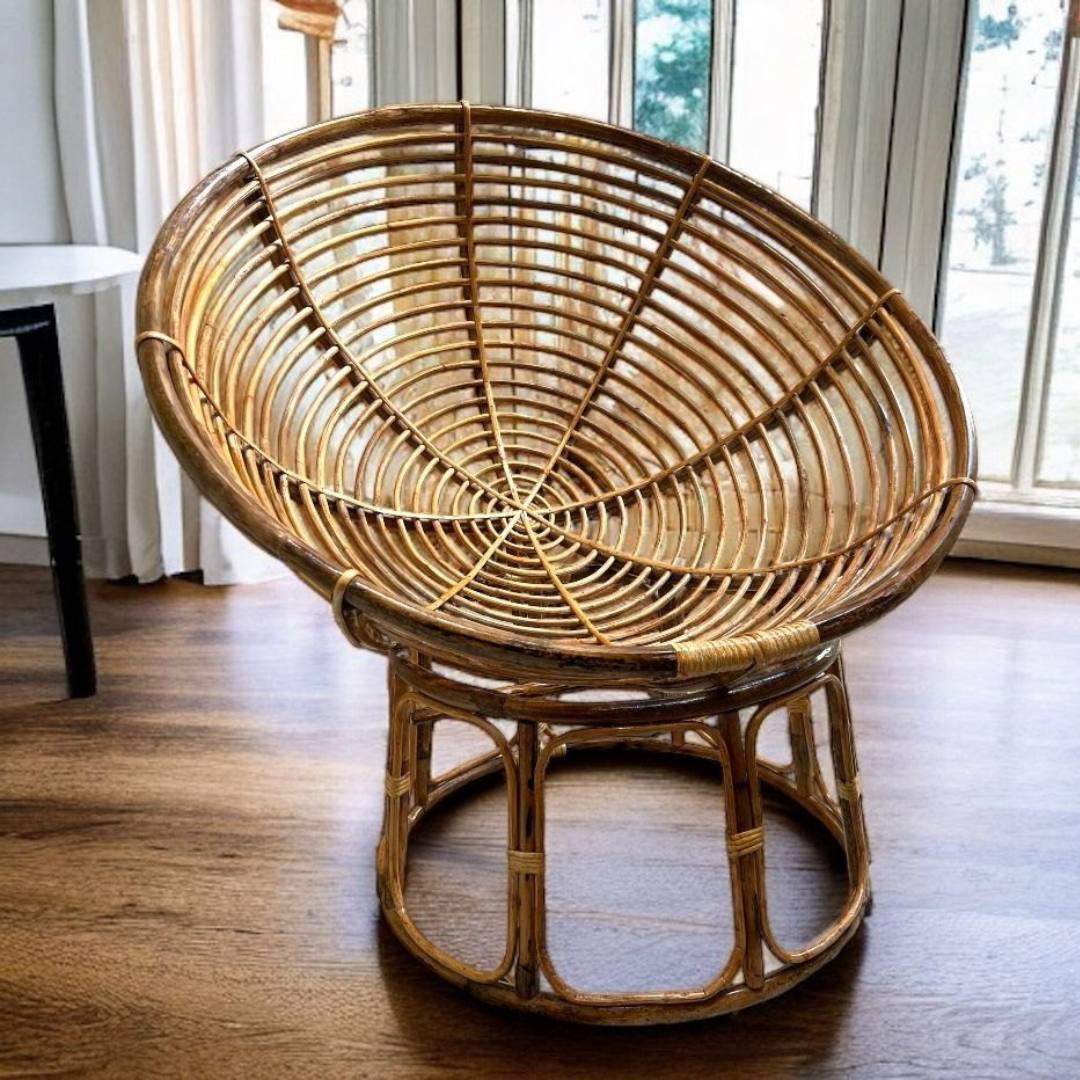
Cane chairs are classic and timeless pieces of furniture made using cane, a natural material harvested from the rattan vine. Known for their woven texture and lightweight yet sturdy construction, cane chairs offer a blend of aesthetic appeal and functional design. They are commonly found in both traditional and contemporary settings, from cozy living rooms to chic outdoor spaces. Below are the key points that define cane chairs:
1. Material and Construction
- Cane Material: Cane is the outer bark of the rattan vine, prized for its strength, flexibility, and lightness. It is often used for weaving into furniture, particularly for chairs, to create a durable and breathable surface.
- Weaving Technique: Cane chairs feature handwoven or machine-woven patterns, with the cane typically forming the seat, backrest, or sides. The intricate weaving adds texture and visual interest to the chair’s design.
- Frame Materials: Cane chairs are typically paired with a wooden or metal frame. Wooden frames are especially common in traditional cane chairs, often crafted from hardwoods like oak, teak, or mahogany. Metal frames are also used in more modern designs, adding a sleek, industrial look to the chair.
2. Design Styles and Aesthetic Appeal
- Traditional and Rustic Charm: Cane chairs often evoke a sense of vintage or rustic charm, with traditional designs featuring curved wooden arms, slatted backs, and decorative detailing. These chairs are commonly seen in coastal, tropical, or colonial-style interiors.
- Modern and Minimalist Variations: Cane chairs have evolved into contemporary designs, with sleek, minimal frames and clean lines. The woven cane material retains its natural beauty but is often paired with more modern elements, making it suitable for modern or eclectic interiors.
- Versatile Look: The natural, light tone of cane makes it versatile, pairing well with both casual and formal décor. Cane chairs blend effortlessly with bohemian, farmhouse, coastal, and even mid-century modern design schemes.
- Variety of Styles: Cane chairs come in a variety of forms, including dining chairs, armchairs, accent chairs, and lounge chairs, making them adaptable to different spaces and functions.
3. Comfort and Functionality
- Breathable Design: The woven cane construction allows for natural air circulation, making the chair cool and comfortable to sit on, especially in warm weather. This makes cane chairs ideal for tropical climates or outdoor settings.
- Lightweight and Portable: Cane chairs are lightweight and easy to move, making them convenient for rearranging or relocating within your home or outdoor space.
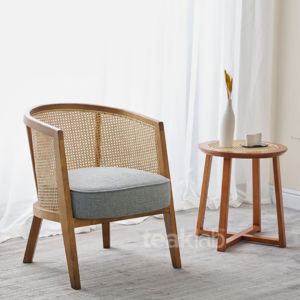
- Ergonomic Comfort: Many cane chairs are designed with ergonomics in mind, offering gentle back support through the woven seat and backrest. Some designs feature padded cushions for extra comfort, making them ideal for extended sitting.
- Durable Yet Flexible: Cane is a strong and flexible material, capable of withstanding daily wear and tear while maintaining its shape. It is resistant to cracking or warping, adding longevity to the chair.
4. Indoor and Outdoor Use
- Indoor Appeal: Cane chairs are a popular choice for living rooms, bedrooms, dining areas, and even sunrooms, where they add texture and a natural, rustic feel to the interior. They pair well with wood, metal, or rattan furniture.
- Outdoor Durability: Cane chairs can also be used in outdoor settings, particularly on patios, porches, or balconies. However, it is important to protect them from harsh weather conditions (like rain and excessive sun) as the natural cane material can degrade over time if exposed to the elements.
- Versatile for Multiple Spaces: Cane chairs fit into a variety of room functions, whether you’re looking for a stylish accent chair, a functional dining chair, or a comfortable lounge chair for relaxation.
5. Eco-Friendly and Sustainable
- Sustainable Material: Cane is a renewable and environmentally friendly material. Since it is a fast-growing plant, harvesting cane for furniture production has a lower environmental impact compared to other types of wood.
- Non-toxic and Natural: Unlike some synthetic materials, cane is a natural and non-toxic product, making it a safe choice for homes with children or pets. Additionally, cane furniture often doesn’t contain harmful chemicals that can off-gas into the home environment.
- Recyclable: Cane and wood materials used in cane chairs are recyclable, which adds to the overall sustainability of the piece.
6. Health Benefits
- Breathability and Comfort: Cane’s open weave design promotes air circulation, which can help keep you cool and comfortable, reducing the chance of overheating or discomfort during long sitting periods.
- Good Posture Support: The slightly flexible nature of woven cane allows it to mold to the shape of your body, providing moderate support for good posture. Some cane chairs also come with lumbar support, further enhancing comfort.
- Reduced Allergens: Cane furniture is less likely to trap dust, dirt, or allergens compared to upholstered chairs, making it a good option for individuals with allergies.
7. Maintenance and Care
- Easy to Clean: Cane chairs require minimal maintenance. Regular dusting with a soft cloth or vacuuming with an upholstery attachment can keep them looking fresh. For deeper cleaning, a damp cloth with mild soap can be used to wipe down the surface.
- Avoid Excess Moisture: While cane is durable, excessive exposure to moisture or humidity can weaken the material. Cane chairs should be kept dry, particularly when used outdoors.
- Preserving the Weave: Over time, the woven cane can loosen or become worn. It’s important to inspect the chair for any signs of damage and repair any loose sections of the weave to maintain its integrity and appearance.
- Cushion Care: If your cane chair has cushions, they may need regular cleaning or spot cleaning to preserve their condition. Removable cushion covers are usually machine washable, which makes maintenance easier.
8. Customization and Special Features
- Upholstery Options: Many cane chairs come with optional cushions or upholstered seats, allowing for customization in terms of fabric, pattern, and color. This can add a more personalized touch to the chair and complement the existing décor.
- Stylized Finishes: Cane chairs can be found in various finishes, from natural and honey-toned wood to darker stained options. Some may be painted or varnished for a sleek, modern finish, while others retain the rustic, natural look of raw cane.
- Integrated Features: Some cane chairs come with additional features like armrests, rocking bases, or adjustable height to enhance comfort and functionality.


Reviews
There are no reviews yet.