
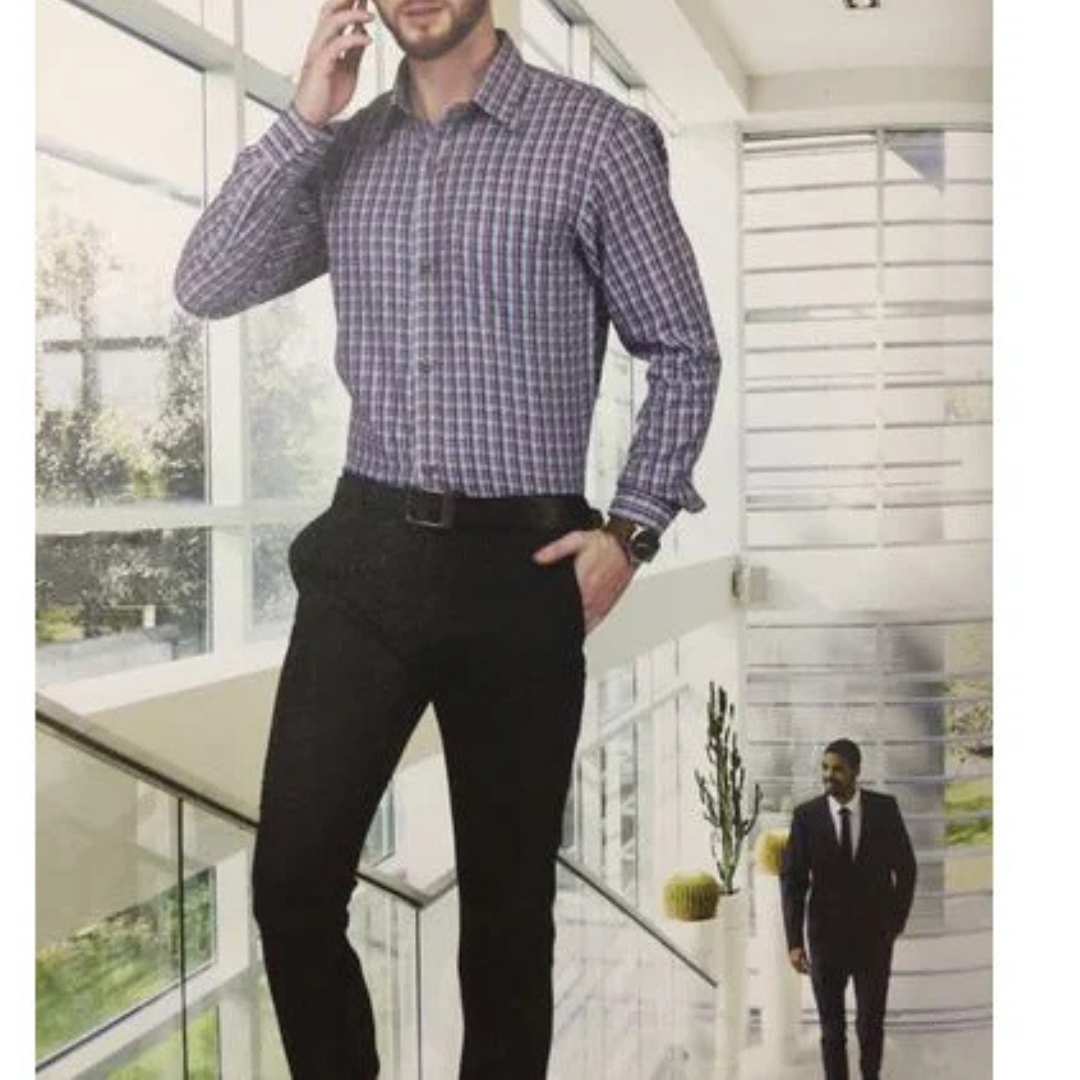
Formal and Office Wear is designed to project professionalism, elegance, and confidence in workplace settings and formal events. This category of clothing includes tailored suits, blouses, dresses, trousers, and skirts, which are appropriate for office environments, meetings, interviews, and business presentations. Handwoven fabrics used in formal wear offer a refined look while ensuring comfort, and they often feature classic cuts and simple yet sophisticated designs. The emphasis is on quality, durability, and attention to detail, with materials chosen to create a sharp, polished appearance.
Key Points:
- Fabric Types:
- Wool: A versatile and durable fabric, ideal for suits, blazers, trousers, and skirts. It provides warmth and a professional appearance.
- Linen: Lightweight and breathable, perfect for warmer climates and summer office wear.
- Cotton: Soft, comfortable, and breathable, often used for shirts, blouses, and dresses in formal settings.
- Silk: Luxurious and smooth, often used in blouses, ties, and scarves for a refined touch.
- Polyester Blends: Durable, wrinkle-resistant, and often blended with natural fibers to enhance comfort and longevity.
- Types of Formal and Office Garments:
- Suits and Blazers: A classic two-piece or three-piece suit with trousers or skirts, perfect for professional settings. Blazers are often worn as separate pieces over formal shirts or blouses.
- Trousers and Skirts: Tailored trousers and pencil skirts form the foundation of formal wear, offering both style and comfort for office settings.
- Dress Shirts and Blouses: Crisp shirts and blouses made from cotton or silk that pair well with trousers or skirts.
- Dresses: Simple, knee-length dresses in tailored styles, suitable for business or formal events.
- Ties and Scarves: Accessories like ties for men and scarves for women add elegance and personalization to the formal outfit.
- Design and Cut:
- Tailored Fit: Garments with a tailored fit ensure a sharp and polished look. Well-fitted suits and shirts help create a professional and sleek silhouette.
- Classic Cuts: Formal wear often follows traditional, timeless cuts such as straight-leg trousers, pencil skirts, and knee-length dresses, which never go out of style.
- Minimalist Designs: Subtle patterns, solid colors, and clean lines are preferred for a sophisticated and professional appearance. Bold patterns and excess embellishments are typically avoided.
- Button and Lapel Detailing: Well-designed buttons, cuffs, and lapels contribute to the overall elegance of formal wear, especially in blazers and shirts.
- Occasions:
- Office Wear: Suitable for daily work in corporate environments, including meetings, presentations, and networking events.
- Interviews: A well-structured, professional look for job interviews or client-facing roles.
- Business Events and Conferences: Formal wear is also appropriate for corporate events, trade shows, and networking gatherings where a polished appearance is essential.
- Formal Gatherings: Includes events such as business dinners, galas, and official parties where maintaining a professional look is important.
- Comfort and Functionality:
- Formal and office wear must be functional as well as stylish, allowing for movement, comfort, and ease during long hours at work.
- Fabrics such as wool and polyester blends are breathable and allow flexibility while maintaining a structured look.
- Many garments are designed with wrinkle-resistant properties for added convenience, making them ideal for busy professionals.
- Accessories:
- Footwear: Formal shoes such as oxfords, loafers, and heels complement office wear. Comfort and quality are key factors when choosing office footwear.
- Bags and Briefcases: Structured bags, briefcases, and leather totes are essential accessories for carrying work essentials while maintaining a professional look.
- Jewelry and Watches: Minimalist jewelry, such as stud earrings, simple necklaces, or watches, adds a touch of elegance without overwhelming the look.
- Sustainability:
- Handwoven fabrics used in formal wear, such as khadi or organic cotton, offer eco-friendly alternatives to synthetic materials.
- Investing in high-quality, durable formal wear ensures longevity and reduces the need for frequent replacements, making it a more sustainable choice in the long term.
- Supporting local artisans who produce handwoven fabrics promotes ethical fashion and supports fair trade practices.
Incorporating Formal and Office Wear into your wardrobe allows you to present yourself with confidence and professionalism, whether you’re at the office, attending meetings, or representing your company at events. Handwoven fabrics offer a refined and sustainable approach to professional attire, providing both quality and comfort.


Reviews
There are no reviews yet.