
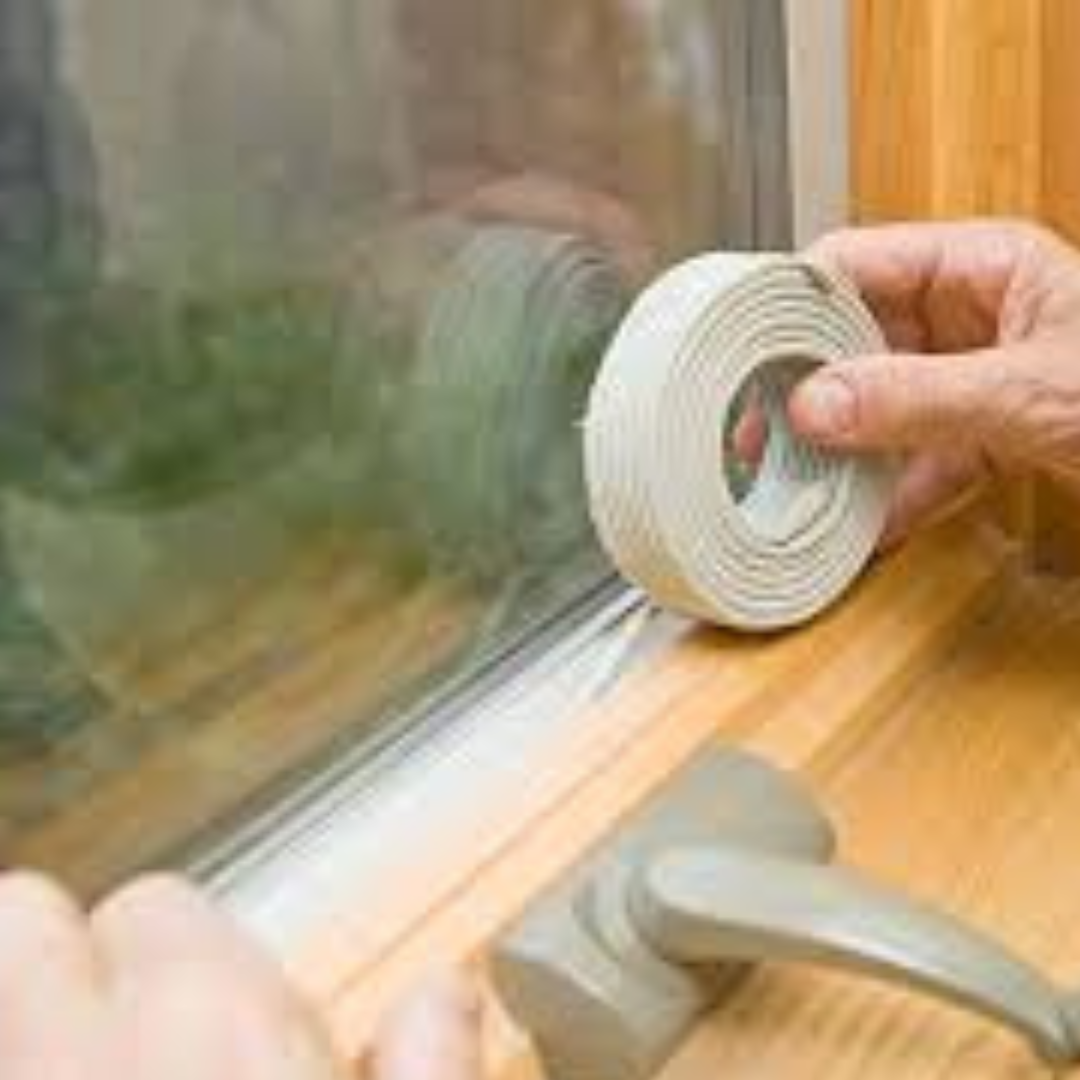
- Purpose and Function
- Weatherstripping is a material designed to seal gaps and cracks around doors, windows, and other openings to prevent air leaks, water infiltration, and the entry of dust or debris. It acts as a barrier to keep outdoor elements from affecting the indoor environment, ensuring that your home or building stays comfortable and protected against changing weather conditions. Whether it’s cold air in winter or warm air in summer, weatherstripping helps to maintain a consistent indoor temperature and reduce energy consumption.
- Improved Energy Efficiency
- One of the most significant benefits of weatherstripping is its ability to enhance energy efficiency by reducing drafts and air leakage. Gaps around doors and windows can account for a substantial loss of heated or cooled air, causing your HVAC system to work harder and increasing your energy bills. By sealing these openings, weatherstripping minimizes the loss of conditioned air, helping to lower heating and cooling costs and improve home insulation.
- Material Variety
- Weatherstripping comes in a range of materials, each offering specific benefits depending on the application:
- Rubber: Durable and flexible, ideal for sealing gaps on doors and windows. EPDM (Ethylene Propylene Diene Monomer) rubber is commonly used for its excellent resistance to weathering, temperature fluctuations, and UV rays.
- Foam: Lightweight and compressible, foam weatherstripping is often used in less demanding applications where a soft, tight seal is needed. It’s commonly used for window frames and drafty areas.
- Silicone: Flexible, long-lasting, and resistant to extreme temperatures, silicone weatherstripping is highly durable and commonly used in areas exposed to moisture, such as bathrooms and kitchens.
- Vinyl: Vinyl weatherstripping is often used on sliding windows and doors, providing a long-lasting, low-maintenance seal.
- Metal: For more industrial or exterior applications, metal weatherstripping can be used around larger gaps, such as on commercial doors or garage entrances.
- Weatherstripping comes in a range of materials, each offering specific benefits depending on the application:
- Easy Installation
- Most weatherstripping products are designed for easy installation, often featuring self-adhesive backing or simple snap-on mechanisms that require no specialized tools. Weatherstripping can be cut to size, making it suitable for any gap or opening, from small cracks to larger doorways. This ease of use makes it an ideal DIY solution for homeowners looking to improve insulation without professional assistance.
- Weather Protection
- By blocking drafts and preventing water from entering through gaps, weatherstripping provides effective weather protection. It helps protect windows and doors from the effects of rain, snow, and moisture while preventing wind from entering the home. This is especially useful in areas with extreme weather conditions, as it helps to preserve the structural integrity of doors and windows by preventing water damage and rust.
- Noise Reduction
- Weatherstripping also acts as a sound barrier, reducing the amount of noise that passes through gaps in doors and windows. This can be especially beneficial in noisy urban environments or homes near busy roads, where blocking out external sound can improve the overall comfort and privacy of your living space.
- Increased Comfort
- By eliminating drafts and ensuring that your home stays at a comfortable temperature, weatherstripping contributes to a more pleasant indoor environment. During the winter, it prevents cold drafts from entering the home, making rooms feel warmer and more comfortable. In the summer, it helps keep cool air in, preventing hot outdoor air from infiltrating the home. This creates a more consistent indoor climate, enhancing comfort for residents.
- Protection Against Pests
- Weatherstripping can also serve as a deterrent against pests and insects. By sealing gaps around doors and windows, it helps prevent bugs, rodents, and other unwanted creatures from entering the home. This is particularly important in areas where pests are a common issue, such as in basements or attics.
- Long-Lasting Durability
- High-quality weatherstripping materials, such as rubber, silicone, and metal, are designed for long-lasting performance. These materials can withstand extreme temperatures, UV exposure, and wear and tear, making weatherstripping a durable solution for maintaining a home’s energy efficiency and protection for years to come. Regular inspection and occasional replacement (especially for foam or vinyl weatherstripping) can ensure continued effectiveness.
- Cost-Effective Solution
- Weatherstripping offers a low-cost solution for improving energy efficiency, comfort, and protection in your home. Compared to more extensive insulation projects, weatherstripping is affordable and can have an immediate impact on reducing heating and cooling costs, making it an ideal choice for those on a budget.
Weatherstripping is a material used to seal gaps and cracks around doors, windows, and other openings to prevent drafts, moisture, and air leaks. Made from materials like rubber, foam, or silicone, weatherstripping enhances energy efficiency, helps maintain a comfortable indoor temperature, and reduces noise. It’s an easy and cost-effective way to improve insulation and protect against the elements.


Reviews
There are no reviews yet.