
- Primary Function
- The table surface is the flat, horizontal area where items are placed for various purposes such as eating, working, or displaying objects. It serves as the primary space for interaction, organization, and functionality in tables, including dining tables, coffee tables, desks, and work tables.
- Material Options
- Wood: Classic and durable, wooden table surfaces are versatile and come in various finishes, such as oak, walnut, or maple, offering a natural, warm aesthetic. Wood is ideal for traditional and rustic designs.
- Glass: Provides a sleek and modern look, perfect for contemporary or minimalist settings. Glass table surfaces are often paired with metal or wooden bases and are easy to clean, though they may require more maintenance to prevent smudges and fingerprints.
- Metal: Stainless steel, aluminum, or wrought iron are common materials for modern or industrial-style table surfaces. Metal surfaces are durable and resistant to scratches and stains, offering a sturdy and sleek appearance.
- Stone: Marble or granite table surfaces are luxurious and elegant, often used in dining tables, coffee tables, and counters. They provide a smooth, polished surface and can withstand heat and moisture, though they require care to prevent staining or scratching.
- Laminate: A more affordable alternative, laminate surfaces offer a wide range of finishes and are easy to maintain, making them ideal for budget-friendly options. Laminate is typically used in office desks or kitchen tables.
- Design and Style
- The design of a table surface greatly impacts the overall look of the furniture. It can be smooth and glossy for modern designs or textured for rustic or industrial styles. Patterned or inlaid surfaces, such as wood with decorative carvings or stone with marbling, add unique character to tables.
- The shape of the table surface also plays a role in the table’s design. Common shapes include rectangular, square, round, and oval, each offering a different aesthetic and functional benefit. For example, round tables encourage conversation, while rectangular tables are ideal for larger gatherings.
- Durability and Maintenance
- Wooden surfaces are durable but may require occasional refinishing or polishing to maintain their appearance. They are also susceptible to scratches and water damage.
- Glass surfaces are easy to clean but prone to smudges and fingerprints. They also require careful handling to avoid breakage.
- Metal surfaces are extremely durable and resistant to wear, although they may show signs of rust or dents over time, particularly if not maintained properly.
- Stone surfaces, while elegant, need careful maintenance to avoid stains and scratches. Regular sealing of stone surfaces like marble or granite is necessary to maintain their beauty.
- Laminate is a budget-friendly material that resists stains, scratches, and heat, making it easy to maintain, though it may show wear over time, especially along edges.
- Functionality
- The size and shape of the table surface determine its functionality. Larger surfaces are better for dining or collaborative work, while smaller surfaces may suit spaces like offices or compact living rooms.
- For dining tables, the surface size should comfortably accommodate plates, glasses, and utensils for the number of people it is designed to serve.
- Desk surfaces require enough space for computers, papers, and other work materials, while also offering room for organization.
- For coffee tables or side tables, the surface should provide space for decorative items like vases, books, or lamps without overwhelming the room.
- Aesthetic Impact
- The choice of material and finish for the table surface can significantly influence the ambiance of a room. Wooden tables evoke warmth and coziness, while glass and metal surfaces give a modern, sleek appearance.
- Stone surfaces bring a sense of luxury and sophistication, especially when paired with elegant, minimalist designs. These materials can enhance the overall aesthetic of high-end dining rooms or living areas.
- Colored or patterned table surfaces can add personality to a room and create a bold statement, especially in casual or eclectic designs.
- Eco-friendly Options
- Reclaimed wood or bamboo can be used for table surfaces, offering sustainable and eco-friendly options. These materials are durable and add a unique, rustic charm to the table’s appearance.
- Recycled glass or composite materials are also gaining popularity for those looking for environmentally conscious choices while maintaining modern aesthetics.
- Customization and Flexibility
- Many table surfaces can be customized in terms of size, shape, and finish, allowing homeowners to tailor the table to their specific needs and space constraints.
- Convertible table surfaces, such as extendable dining tables or adjustable-height desks, provide flexible functionality for different situations.
- Temperature and Weight Resistance
- Some materials, like stone and metal, offer excellent heat resistance, making them ideal for use in kitchens or dining areas where hot items are frequently placed on the surface.
- Wood and laminate surfaces, while durable, may be more prone to heat damage and may require additional care when used near hot objects.
- Safety Considerations
- For families with young children, safety is an important factor. Round or soft-edged table surfaces are ideal for preventing injuries from sharp corners.
- Glass surfaces should be tempered for safety, as they are more prone to breakage, while stone or metal surfaces may be heavier but provide added stability.

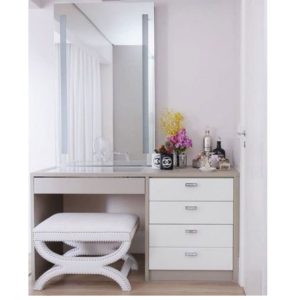
Dressing Table
Table Surface
A table surface is the flat, horizontal area of a table that provides space for various activities, such as dining, working, or displaying items. It can be made from a variety of materials, including wood, glass, metal, or marble, offering different aesthetics and durability. The surface’s size, shape, and material greatly impact its functionality and the overall design of the space. It is an essential component in tables used for dining rooms, offices, living rooms, and outdoor settings, combining both practicality and style.

Reviews
There are no reviews yet.