
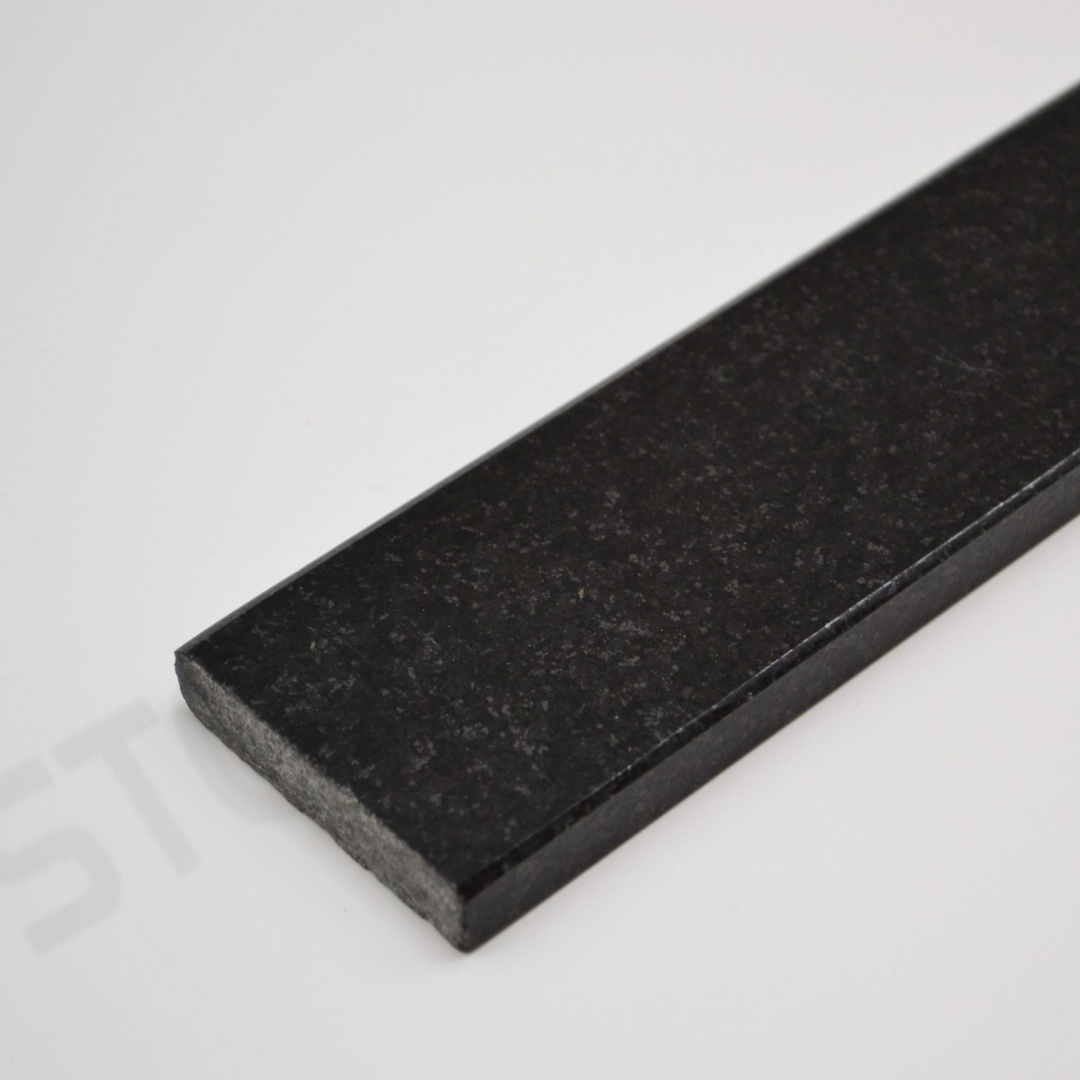
Standard thresholds are simple yet essential components used to seal the gap at the bottom of doors, providing basic protection against drafts, dirt, and noise. Unlike more specialized thresholds designed for waterproofing or extreme weather conditions, standard thresholds are versatile, cost-effective, and widely used in both residential and commercial properties. They come in various materials, such as wood, metal, or rubber, and can be installed on most door types to improve the efficiency and functionality of doors.
1. What Are Standard Thresholds?
A standard threshold is a flat or slightly raised strip of material that is fixed across the bottom of a door frame, typically at the point where the door meets the floor. The main purpose of a standard threshold is to provide a basic seal against unwanted elements like dust, drafts, and moisture. These thresholds are not designed to withstand extreme weather conditions, but they are effective in everyday environments where basic sealing and insulation are required.
The materials used for standard thresholds vary based on the specific needs of the space, such as whether the door is for an interior or exterior application, or whether there is a need for aesthetic appeal. These thresholds may also come in different profiles, such as flat, beveled, or ramped, to accommodate varying door types and floor conditions.
2. Types of Standard Thresholds
- Wooden Standard Thresholds:
- Traditional Appeal: Wooden thresholds are often chosen for their aesthetic value, particularly in traditional or rustic home designs. They blend well with wooden doors and frames.
- Durability: While not as durable as metal options, wooden thresholds can still provide good protection when used in indoor environments with minimal exposure to moisture.
- Customization: Wooden thresholds can be easily customized to match specific door sizes or design preferences and can be stained or painted to suit the décor.
- Metal Standard Thresholds:
- Durability and Strength: Metal thresholds, typically made of aluminum, steel, or brass, are highly durable and offer good protection against drafts and dirt. Aluminum is a popular choice due to its rust-resistant properties, making it ideal for residential and commercial use.
- Lightweight and Easy to Install: Metal thresholds are typically lightweight yet strong, and they offer a modern, sleek look.
- Variety of Finishes: These thresholds are available in different finishes, such as anodized aluminum or polished brass, allowing them to complement various door and room styles.
- Rubber Standard Thresholds:
- Flexibility: Rubber thresholds are ideal for use on uneven floors, as the material’s flexibility allows it to conform to the surface for a better seal.
- Noise Reduction: Rubber helps reduce noise, making it an excellent choice for apartments, offices, or areas where sound insulation is important.
- Cost-Effective: Rubber thresholds are generally more affordable and provide reliable insulation against drafts and dust.
- Vinyl Standard Thresholds:
- Affordability: Vinyl thresholds are a cost-effective option that still provides adequate sealing against air leaks and dust.
- Low Maintenance: Vinyl is easy to clean and maintain, making it ideal for high-traffic areas like entryways or hallways.
3. Benefits of Standard Thresholds
- Draft and Dust Prevention: One of the main benefits of standard thresholds is their ability to prevent drafts and dust from entering the room. This helps maintain a more comfortable indoor temperature and keeps interiors cleaner by blocking the movement of particles through gaps at the door’s bottom.
- Energy Efficiency: Although they are not as high-performance as waterproof or energy-efficient thresholds, standard thresholds help to enhance the overall energy efficiency of a building by sealing gaps. This can prevent heat loss in winter or cool air from escaping during the summer, reducing the workload on heating and cooling systems.
- Improved Comfort: A standard threshold helps in reducing air movement and temperature fluctuations in a room, thereby improving indoor comfort. This is particularly helpful in maintaining consistent temperatures in bedrooms, living rooms, and offices.
- Noise Reduction: When installed correctly, standard thresholds can also act as sound barriers by sealing gaps that might otherwise let sound escape or enter, making them useful in spaces where noise reduction is important, such as in multi-unit buildings or home offices.
- Low Maintenance and Affordability: Standard thresholds are easy to install and generally require very little maintenance. Most models are durable and can withstand everyday wear and tear. Additionally, they are more affordable compared to specialized thresholds, making them a practical option for a wide range of budgets.
- Aesthetic Appeal: Standard thresholds can enhance the appearance of a door, especially when made from wood or metal with a polished finish. They can provide a neat, clean look that complements the overall style of the door and room.
4. Applications of Standard Thresholds
- Residential Use: Standard thresholds are most commonly used in residential homes, particularly for interior doors or exterior doors that do not face extreme weather conditions. They are often installed in living rooms, bedrooms, kitchens, bathrooms, and pantries to prevent drafts and maintain comfort.
- Commercial Use: In commercial settings, standard thresholds can be used in offices, stores, and small businesses. They help to keep dust and debris from entering while improving energy efficiency in common areas like hallways and entryways.
- Multi-Unit Buildings: In apartment buildings or condos, standard thresholds can be particularly useful for blocking noise transfer between units and maintaining privacy. They also provide basic insulation from outside weather.
- Low-Traffic Areas: Standard thresholds are ideal for doors that do not experience heavy foot traffic, as they provide sufficient protection and sealing without the need for more heavy-duty options.
5. Installation of Standard Thresholds
Installing a standard threshold is typically a straightforward process:
- Measure the Door: Ensure the threshold fits the width of the door frame. The length of the threshold should match the door frame’s opening, and the height should be appropriate to the gap between the door and the floor.
- Prepare the Area: Clean the doorframe and floor area to ensure there is no debris or dust that might interfere with the seal.
- Cut and Fit the Threshold: If necessary, trim the threshold to fit the door’s width. Many thresholds come in pre-cut lengths, but for custom door sizes, you may need to cut them using a saw or utility knife.
- Secure the Threshold: Depending on the material, thresholds can be installed using screws, nails, or adhesive strips. Metal thresholds may require screws, while rubber and vinyl versions can be adhered using strong adhesives or double-sided tape.
- Sealing: Once installed, check that the threshold forms a tight seal against the floor and door. Adjust as needed to ensure the gap is adequately covered.
6. Maintenance of Standard Thresholds
While standard thresholds require minimal upkeep, periodic maintenance can help prolong their lifespan:
- Cleaning: Regularly clean the threshold to remove dirt, dust, or grime buildup. For metal thresholds, use a damp cloth or mild cleaning solution. For rubber or vinyl, wipe down with a soft cloth.
- Check for Wear: Over time, thresholds may become worn or damaged. Inspect them periodically for cracks, dents, or other signs of wear, particularly in high-traffic areas.
- Replace When Necessary: If the threshold is no longer providing an adequate seal or is damaged beyond repair, it may be necessary to replace it.


Reviews
There are no reviews yet.