
- Primary Function
- Mirrors are reflective surfaces used for viewing one’s image or for aesthetic purposes. The most common use is for personal grooming, allowing individuals to see their reflection for activities such as shaving, makeup application, and hair styling.
- Types of Mirrors
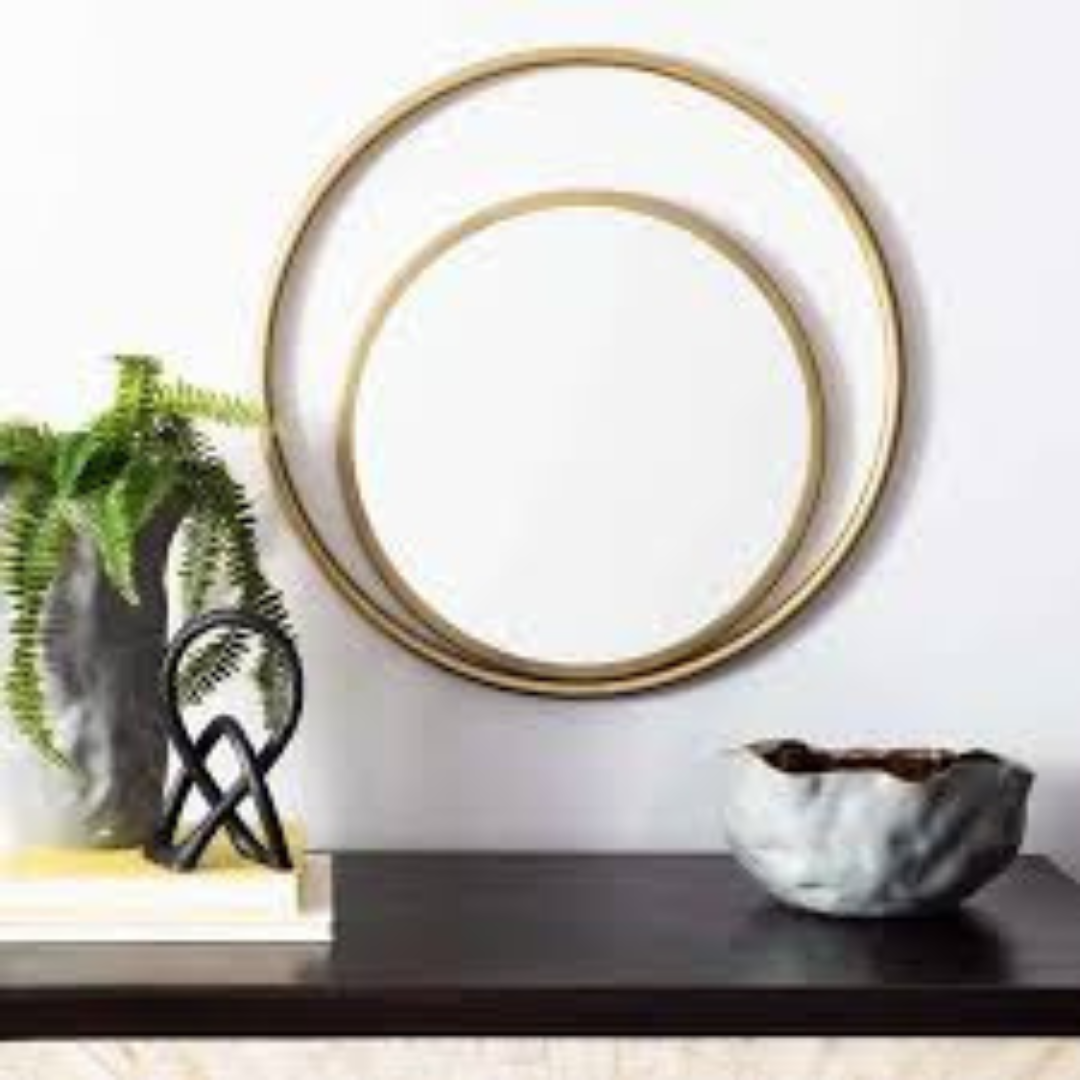
- Wall Mirrors: Mounted on walls, these mirrors serve both functional and decorative purposes. They can be large statement pieces or smaller accent mirrors that complement the room’s design.
- Full-Length Mirrors: These mirrors provide a full-body view and are ideal for bedrooms, dressing rooms, or hallways to assess outfits and appearance.
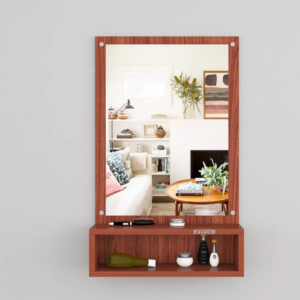
- Vanity Mirrors: Often smaller and designed for close-up use, these mirrors are typically placed on a countertop or integrated into bathroom vanities.
- Decorative Mirrors: These mirrors are designed more for their visual appeal than functionality, often featuring unique frames or artistic designs to enhance a room’s decor.
- Material and Design
- Frame Material: Mirrors come in a variety of frame materials such as wood, metal, plastic, or even stone. The frame style can range from modern and minimalist to ornate or vintage-inspired.
- Shape: Mirrors are available in numerous shapes, including rectangular, square, oval, round, and abstract, allowing them to match any interior style, from traditional to contemporary.
- Frameless Mirrors: For a sleek and modern look, frameless mirrors are a popular choice. These mirrors feature polished edges and can create a clean, minimalist appearance.
- Size and Placement
- Small Mirrors: Ideal for smaller spaces like bathrooms, powder rooms, or compact areas where functionality and space are key. These are often used for quick personal checks.
- Large Mirrors: These can make a room feel larger and brighter. Full-length or large decorative mirrors are common in living rooms, entryways, and bedrooms. They are often used as focal points in design schemes.
- Mirrors in Hallways and Entryways: Strategically placed in narrow or dark hallways, mirrors can reflect light and create the illusion of more space.
- Aesthetic and Illusion of Space
- Mirrors are often used as design elements to visually expand a room, reflect light, and make small spaces feel more open. They can add a touch of elegance, brightness, or even whimsy depending on the style.
- Mirrored Furniture: Sometimes mirrors are incorporated into furniture pieces, such as mirrored cabinets, side tables, or decorative accents, for an elegant or modern feel.
- Light Reflection
- Mirrors play a significant role in enhancing the lighting of a room. By reflecting natural light from windows or artificial light from lamps and fixtures, mirrors can brighten up spaces and create a more inviting atmosphere.
- Variety of Styles
- Traditional Mirrors: Typically featuring wooden or classic metal frames, traditional mirrors have a more timeless appeal and suit classic or vintage interiors.
- Modern and Contemporary Mirrors: These mirrors often feature clean lines, geometric shapes, or minimalist designs, making them perfect for modern homes or offices.
- Antique or Vintage Mirrors: These mirrors may have aged frames, distressed finishes, or antique designs, offering a more nostalgic and charming touch for vintage-inspired spaces.
- Functionality Beyond Decoration
- Mirrors are not only for personal use and decoration but can also serve practical purposes in specific settings, such as:
- Bathroom Mirrors: Integrated with lighting for optimal grooming tasks.
- Mirror Closets: Used in closets or wardrobes for checking full outfits.
- Security Mirrors: Used in stores or warehouses for surveillance and visibility.
- Mirrors are not only for personal use and decoration but can also serve practical purposes in specific settings, such as:
- Customization Options
- Custom mirrors can be designed in terms of size, shape, frame material, and finish to meet specific design preferences and space requirements. This makes mirrors adaptable for a wide range of interior designs and purposes.
- Maintenance
- Mirrors are relatively easy to maintain. Regular cleaning is typically all that’s required, using a soft cloth and a gentle cleaner to avoid damaging the reflective surface.
Dressing Table
Mirror
A mirror is a reflective surface, typically made of glass, with a metal or reflective coating, used for viewing one’s reflection. Mirrors are common in bathrooms, bedrooms, living rooms, and hallways for personal grooming or decorative purposes. They come in various shapes, sizes, and frame designs, from simple and functional to ornate and artistic. Mirrors can also create the illusion of more space in a room, add light, and enhance the overall decor of a space.
Reviews
There are no reviews yet.