
- Material Choices
- Wood: Wood is a classic and versatile material used in furniture and decor. It offers durability, warmth, and natural beauty. Common types of wood include oak, walnut, and maple, each providing a unique grain pattern and finish. Wood is often used for traditional and modern designs alike.
- Metal: Metals like stainless steel, aluminum, and iron provide strength, sleekness, and a contemporary edge to designs. Metal is ideal for industrial and modern furniture, known for its longevity and minimalist look.
- Glass: Glass offers a clean, airy aesthetic and is often used for tabletops, shelves, or decorative elements. It pairs well with metal or wood and creates an elegant, lightweight appearance. Tempered glass is commonly used for its strength and safety features.
- Fabric: Upholstered pieces like sofas, chairs, or cushions use fabrics such as cotton, linen, velvet, or leather. These materials provide comfort and texture, while the choice of fabric affects the look and feel of the furniture.
- Stone: Materials like marble, granite, or concrete offer a premium, luxurious appearance. Stone is often used for countertops, tables, and decorative elements, known for its durability and timeless appeal.
- Design Styles
- Modern Design: Characterized by clean lines, simplicity, and minimalistic elements. Modern designs focus on functionality and efficient use of space, often incorporating materials like metal, glass, and sleek wood finishes.
- Contemporary Design: Similar to modern design, but more fluid and evolving with current trends. It emphasizes bold shapes, cutting-edge materials, and versatility, often incorporating soft curves and mixed materials.
- Industrial Design: This style embraces raw, unfinished materials like exposed metal, wood, and concrete. It highlights functionality and often features vintage or rustic elements, creating a rugged, urban look.
- Traditional Design: Features rich, classic furniture shapes, intricate details, and materials such as wood and leather. Traditional designs focus on elegance, symmetry, and timeless appeal.
- Scandinavian Design: Known for its minimalist approach, light wood tones, neutral colors, and functional designs. Scandinavian design emphasizes simplicity, functionality, and a connection to nature.
- Eclectic Design: Combines various styles, textures, and materials to create a personalized, unique look. The eclectic design incorporates a mix of vintage, modern, and artisanal elements to create a distinctive, layered style.
- Functional and Aesthetic Considerations
- Durability: The choice of material significantly impacts the product’s longevity. Hardwoods like oak or materials like metal and stone are highly durable, making them ideal for furniture and high-use items. For softer materials, protective finishes or coatings can increase longevity.
- Texture and Finish: Materials offer various textures and finishes that affect the overall feel of a space. Polished wood, matte metal, rough concrete, or plush fabric contribute different tactile experiences and visual appeal. Finishes like lacquered wood, brushed metal, or velvet upholstery add layers of richness.
- Color and Versatility: Material choices also affect the color palette and style of the design. For example, wood can be stained to match different interior tones, while metal and glass offer neutrality that works well with any décor. Color can be used to highlight or blend the material into the room’s overall aesthetic.
- Sustainability: The choice of material has a significant environmental impact. Sustainable materials like bamboo, reclaimed wood, and recycled metal are gaining popularity for their eco-friendly properties. Consumers increasingly prioritize sustainable materials for their durability and lower environmental footprint.
- Innovation in Material Use
- Smart Materials: Advances in technology have led to the development of smart materials, which can change shape, color, or texture. For instance, heat-sensitive or self-healing materials are being used in modern design to improve both function and aesthetics.
- Mixed Materials: Modern designs often incorporate a blend of materials, such as metal with wood, glass with concrete, or leather with fabric. This fusion offers the best of both worlds in terms of functionality and style, allowing for more creative and personalized designs.
- Sustainable Innovation: Eco-conscious design has encouraged the use of alternative materials, such as recycled plastics, biodegradable materials, and sustainable woods. These materials provide durability while reducing the environmental impact.
- Design Functionality and Space Optimization
- Space-Saving Designs: Efficient use of materials and design allows for space-saving solutions. For instance, multi-functional furniture that combines seating, storage, and even lighting can help optimize small spaces.
- Ergonomics and Comfort: In furniture design, the material choice is often guided by the need for comfort, such as soft fabrics for seating and durable materials that ensure a pleasant tactile experience. Ergonomically designed furniture promotes comfort and reduces strain, especially for items like chairs and desks.
- Cohesion and Balance
- The material and design work together to create a balanced, cohesive look. A well-designed piece blends material choices that complement one another, creating harmony in color, texture, and style.
- For example, combining a wooden base with a glass top may create a contrast between warmth and transparency, while incorporating metal accents may add a modern, industrial flair.

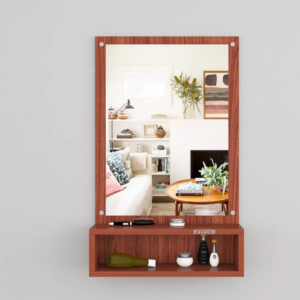
Dressing Table
Material and Design
Material and design refer to the composition and aesthetic elements used in creating a product, such as furniture or decor. Material encompasses the substances like wood, metal, glass, or fabric that make up the product, affecting its durability, texture, and function. Design refers to the visual and structural aspects, including shape, color, style, and form, influencing the product’s appearance and how it fits into a space. Together, material and design determine both the functionality and visual appeal, ensuring the product is both practical and aesthetically pleasing.

Reviews
There are no reviews yet.