
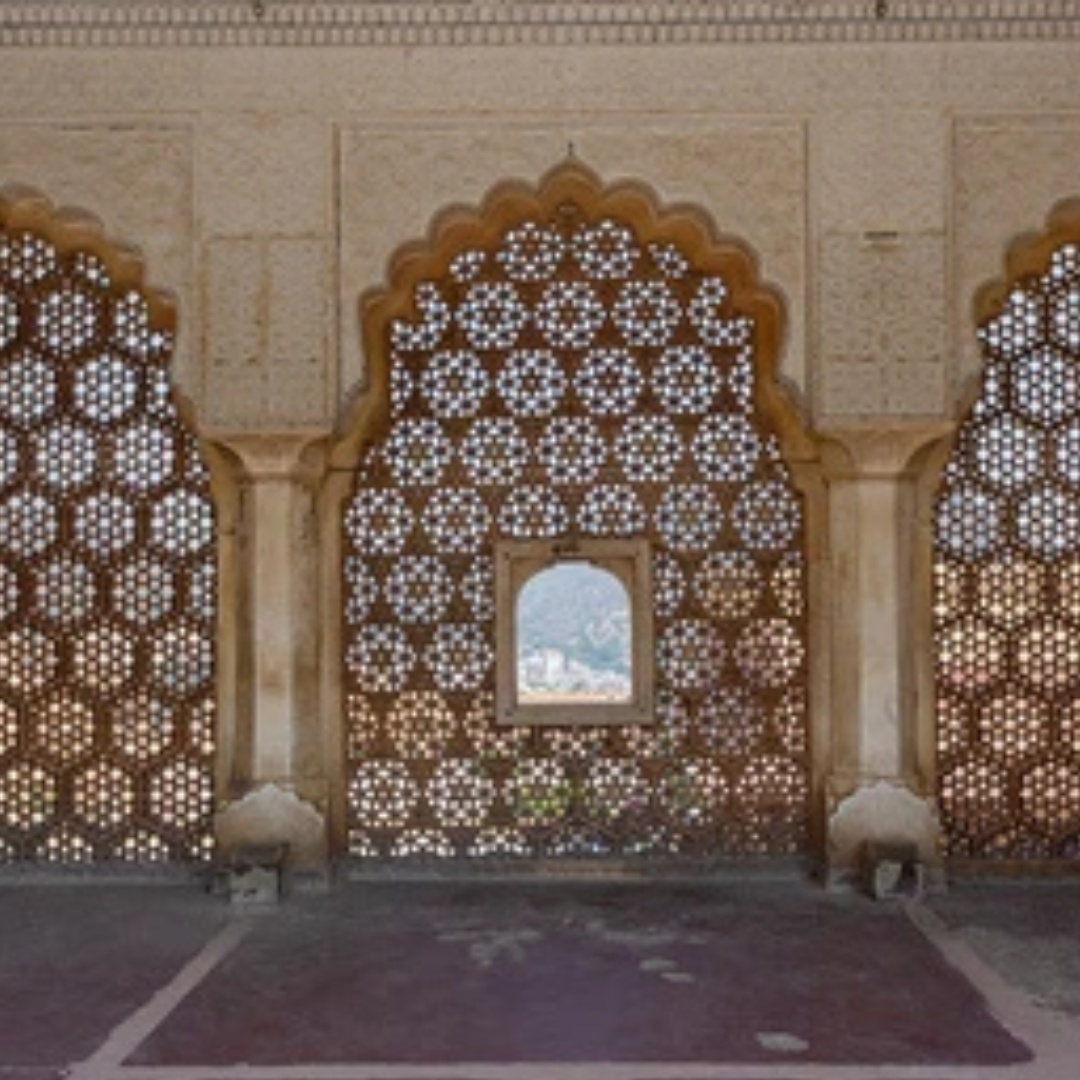
1. Material and Craftsmanship
- High-Quality Marble: Marble Jali work is typically created using high-quality marble, known for its smooth surface, strength, and natural beauty. Popular types of marble include white marble (like Makrana marble) and colored marbles, which showcase elegant veins and textures, enhancing the aesthetic quality of the Jali work.
- Skilled Craftsmanship: Marble Jali work is traditionally handcrafted by skilled artisans who use specialized tools to carefully carve the lattice patterns into the marble. The intricate designs require great precision and attention to detail, with each piece often taking hours or days to complete.
- Durability: Marble is a durable, long-lasting material that stands the test of time. Proper care ensures that marble Jali work retains its beauty and strength for many years, making it an investment in timeless craftsmanship.
2. Design and Aesthetic Appeal
- Intricate Patterns: Marble Jali work is known for its detailed and often complex patterns. These designs can range from geometric shapes like squares, circles, and hexagons to organic, floral motifs inspired by nature. The versatility of Jali work allows it to suit a variety of aesthetic preferences, from traditional to modern.
- Play of Light and Shadow: One of the defining characteristics of marble Jali work is how it interacts with light. The cut-out patterns create shadows and highlights as the light filters through, adding a dynamic, ever-changing visual element to the design. This play of light enhances the ambiance of any space.
- Cultural Significance: Marble Jali work is deeply rooted in cultural and architectural history, particularly in Indian, Mughal, and Islamic architecture. It often carries symbolic meanings, such as the representation of nature, spirituality, or divine beauty.
3. Functional and Practical Applications
- Ventilation and Privacy: Marble Jali work is often used in windows, screens, partitions, and walls to provide privacy while allowing air and light to pass through. It serves a functional role in maintaining ventilation and preventing the direct view into a space, making it perfect for courtyards, gardens, and palace architecture.
- Decorative Screens and Partitions: In modern interiors, marble Jali work is used as a decorative partition or screen. It can divide spaces in an aesthetically pleasing way without blocking light or air. These partitions are popular in both residential and commercial spaces to create a sense of privacy while enhancing the décor.
- Windows and Ventilation Grills: In traditional architecture, Jali work was often used in the windows and ventilation grills of mosques, havelis, and palaces. The perforations allowed for airflow and temperature control, especially in hot climates, while still maintaining an elegant, decorative appearance.
4. Architectural and Decorative Applications
- Historic Monuments and Buildings: Marble Jali work is an essential feature of historic buildings, including the Taj Mahal, Fatehpur Sikri, and numerous Mughal palaces. These structures showcase some of the finest examples of Jali work, with delicate, symmetrical patterns carved into marble that still stand as symbols of architectural excellence.
- Modern Interior Design: In contemporary homes and offices, marble Jali work is used for decorative accents like wall panels, room dividers, and even furniture. Its timeless appeal makes it a favorite for creating a blend of traditional and modern design.
- Landscaping and Garden Features: Marble Jali work is also incorporated into garden architecture, such as in fountains, gazebos, or as wall accents. The open lattice structure adds an element of charm and elegance to garden spaces, while allowing plants to grow through or climb along the intricate designs.
5. Symbolism and Cultural Influence
- Spiritual and Religious Significance: In many cultures, Jali work carries spiritual significance, often symbolizing the connection between the material and spiritual worlds. The patterns are designed to evoke a sense of harmony and balance, connecting the viewer with nature and divine principles.
- Islamic and Mughal Influence: The art of Jali work is particularly prominent in Islamic architecture, where it represents the idea of creating beauty and complexity without the use of imagery or iconography. This tradition has greatly influenced the design and use of Jali work in Mughal and Indian architecture, where it is used in everything from mosques to palaces.
- Cultural Heritage: Jali work is considered a part of the rich cultural heritage of the Indian subcontinent and the Middle East. It represents a blend of artistry, mathematics, and spiritual symbolism, with artisans often drawing on centuries-old techniques passed down through generations.
6. Eco-Friendly and Sustainable Design
- Natural Material: As a product of nature, marble is an eco-friendly material when sourced responsibly. Using marble for Jali work ensures a sustainable product that contributes to the longevity of architectural features while reducing the need for synthetic alternatives.
- Energy Efficiency: The perforated structure of Jali work allows for natural ventilation and light flow, contributing to energy-efficient design. In hot climates, it helps cool spaces by facilitating air circulation, reducing the need for air conditioning or artificial lighting.
7. Maintenance and Care
- Regular Cleaning: To maintain the beauty of marble Jali work, it is essential to clean it regularly. A soft cloth or duster can be used to remove dust and dirt. For deeper cleaning, a mild soap solution and a soft cloth are recommended.
- Avoid Harsh Chemicals: Acidic or abrasive cleaners should be avoided as they can damage the marble surface and carvings. Marble-specific cleaners are ideal for preserving the integrity and shine of the stone.
- Polishing and Sealing: Over time, marble Jali work may need to be polished to restore its luster. Sealing the marble may also help protect it from staining or water damage, especially in outdoor settings.
8. Customization and Special Features
- Custom Designs: Many artisans and manufacturers offer custom Jali work, where clients can request specific patterns, designs, or even personalized engravings. Customization allows the work to be tailored to fit particular spaces or architectural themes.
- Variety of Sizes and Shapes: Marble Jali work can be created in various sizes, from small panels for accent décor to large-scale architectural features. The design flexibility allows it to be incorporated into diverse settings, both residential and commercial.
- Integration with Other Materials: Marble Jali work is often paired with other materials such as wood, metal, or glass for enhanced visual appeal and functional use. For example, metal frames or wooden panels may be used to complement the marble lattice work in modern designs.

Reviews
There are no reviews yet.