

- Size and Shape
- Proportionality: The size of the center table should be in proportion to the size of the room and surrounding furniture. It should not overwhelm the space or feel too small. A good rule of thumb is to leave about 18 inches of space between the edges of the table and the surrounding seating for easy movement.
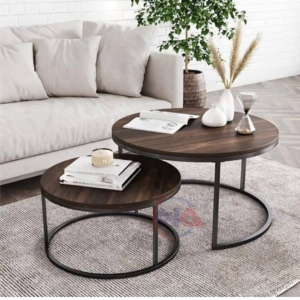
- Shape: Choose a shape that complements the layout of your room and seating arrangement. Rectangular or oval tables work well in longer rooms, while round or square tables are ideal for smaller or square spaces. The shape should also suit the room’s design—round tables can soften a room, while rectangular ones add a more formal or structured look.
- Style and Aesthetic
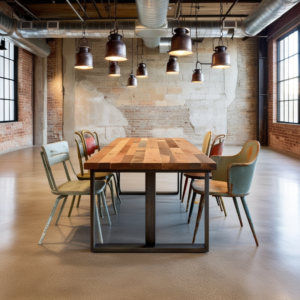
- Design Compatibility: The center table should enhance the overall style of the room, whether it’s modern, traditional, rustic, or industrial. Match the table’s design to the décor of the space to ensure visual harmony.
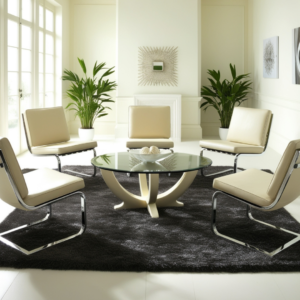
- Material and Finish: Consider the material of the table—wood, metal, glass, or stone. The finish should complement your existing furniture, such as matching wooden finishes or contrasting metals. For example, glass tables are perfect for modern interiors, while wooden tables often suit more traditional or rustic settings.
- Functionality
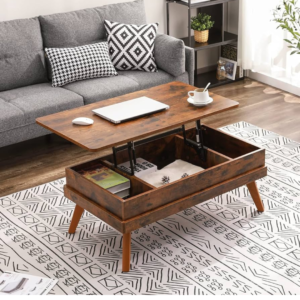
- Storage: Many center tables come with additional storage options, such as drawers, shelves, or hidden compartments. These features can help keep your living room organized by providing a place for remote controls, magazines, or other items typically kept on or around the table.
- Multi-Functionality: Some center tables double as coffee tables or even feature convertible designs (e.g., extendable or adjustable heights), which can be especially useful in smaller spaces or multi-purpose rooms.
- Durability and Maintenance
- Material Strength: Choose a table made from durable materials that can withstand daily use. For example, solid wood and metal offer long-lasting durability, while glass can be more fragile. Consider your lifestyle and whether the material is resistant to scratches, stains, or other forms of damage.
- Ease of Maintenance: Some materials, like glass or metal, are easier to clean and maintain, while others, such as wood or fabric, may require more care. Consider how much effort you’re willing to put into keeping the table looking good and whether the material suits your daily routine.
- Height and Comfort
- Table Height: The height of the center table should be in line with the seating around it, typically about the same height as the cushions of your sofa or slightly lower. This ensures ease of use when reaching for items on the table and maintains visual balance in the room.
- Comfort: Ensure the table does not obstruct movement in the room. A center table should not interfere with the flow of traffic or be a hazard in areas with high foot traffic, especially in smaller spaces.
- Budget and Value
- Cost: Set a realistic budget for the table based on your needs and the materials used. While solid wood or high-end designs may come at a higher price, they often offer better durability and aesthetic value. Consider the long-term value of the piece and how it fits within your overall furniture budget.
- Quality vs. Price: Look for a balance between quality and price. A more expensive center table might offer premium materials or more intricate design, but a budget-friendly table can still meet your functional needs while providing adequate durability.
- Room Flow and Accessibility
- Space Efficiency: Ensure the table doesn’t disrupt the room’s layout or make the space feel cramped. It should be easy to move around and shouldn’t block access to key areas, like doorways or walkways.
- Functionality in Room Arrangement: Consider how the table will interact with other furniture pieces, such as couches, chairs, or entertainment units. It should contribute to the room’s overall flow and not feel disconnected from the rest of the décor.
- Personal Preferences
- Style and Taste: Your personal taste plays a major role in choosing a center table. Whether you prefer a minimalist, bold, or intricate design, pick a table that resonates with your personality and suits your style preferences.
- Customization: Some people may opt for custom-made tables or those that allow for modifications, such as adjustable heights or interchangeable features, to better fit specific needs or tastes.
When choosing a center table, key considerations include the size and shape of the table relative to the room and furniture layout, the style and material that complements the room’s décor, and the functionality it offers, such as storage or additional seating. It’s also important to consider the durability and ease of maintenance of materials, as well as the table’s height in relation to seating for comfort and practicality.
Reviews
There are no reviews yet.