
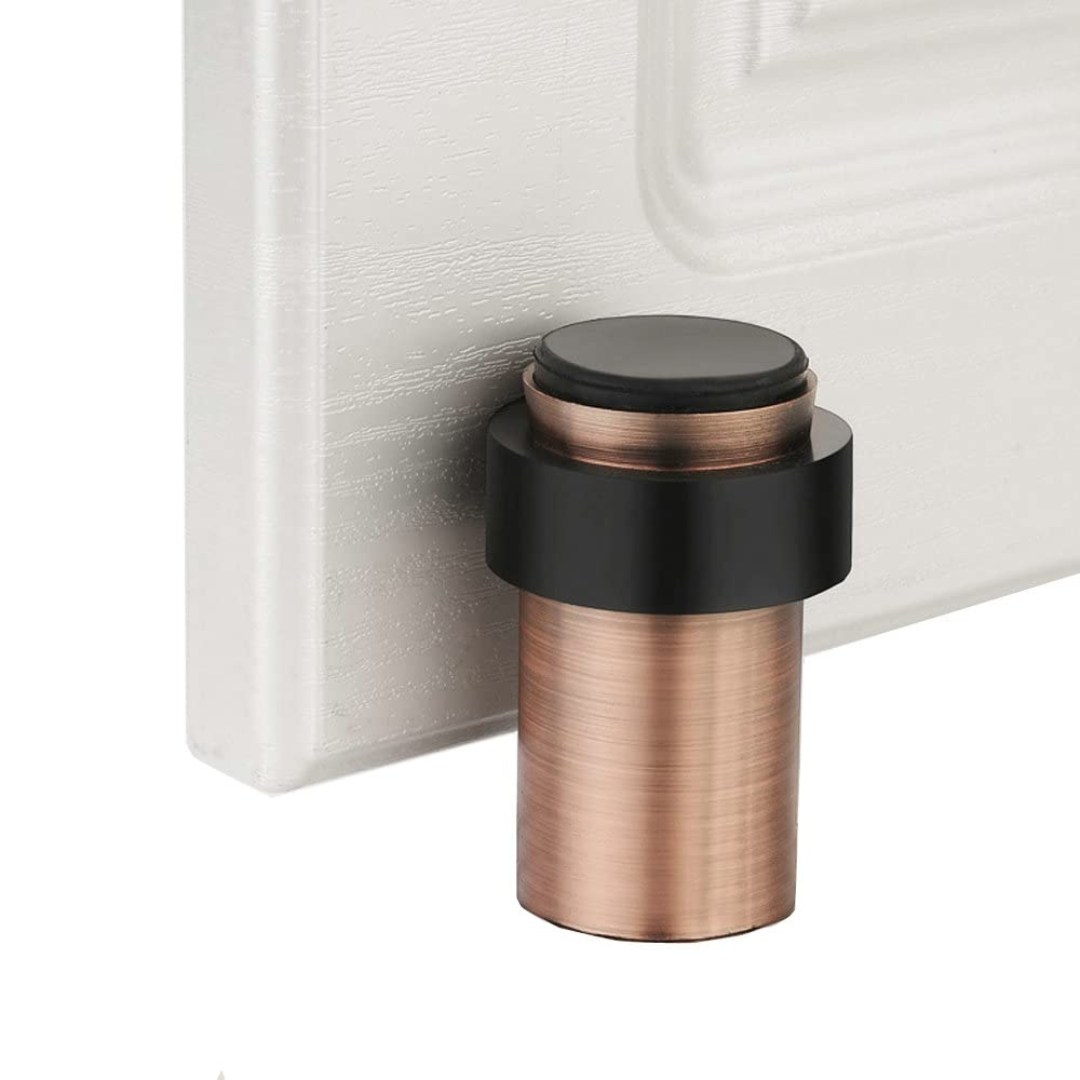
Floor-mounted door stoppers are practical and durable devices installed at the base of a door, providing protection for both the door and the surrounding area. These stoppers prevent the door from opening too wide, potentially damaging walls, furniture, or other objects. Ideal for high-traffic areas, heavy doors, or spaces that experience frequent door usage, floor-mounted door stoppers help preserve the structural integrity of doors and frames while enhancing safety and convenience.
Typically made from metal, rubber, or plastic materials, these door stoppers are designed to absorb the impact of a door swing, ensuring a soft, controlled stop. Whether used in homes, offices, or commercial spaces, floor-mounted door stoppers are essential for preventing costly repairs and maintaining the aesthetics of the surrounding space.
Key Points About Floor-Mounted Door Stoppers:
1. Function and Purpose
- Door Protection: Floor-mounted door stoppers act as a barrier to prevent doors from swinging too far and causing damage to walls, furniture, or other objects in the vicinity.
- Wall and Frame Protection: By stopping the door at a controlled point, they help prevent dents, scratches, and scuff marks on both the door and surrounding walls.
- Safety: These devices contribute to safety by preventing doors from forcefully slamming against walls, which could potentially cause injury or damage.
2. Design and Materials
- Materials: Floor-mounted door stoppers are commonly made of durable materials such as rubber, metal (stainless steel or brass), or plastic. The choice of material affects the stopper’s durability, appearance, and ability to absorb impact.
- Rubber: Rubber is often used for its ability to cushion the impact when the door swings, minimizing the risk of damage to both the door and surrounding surfaces.
- Metal: Metal stoppers, often made of brass, stainless steel, or aluminum, provide a more robust option for heavy-duty use. They are resistant to wear and offer a sleek, modern appearance.
- Plastic: Plastic stoppers are generally lightweight, cost-effective, and may offer enough protection for lighter doors or residential spaces.
3. Types of Floor-Mounted Door Stoppers
- Standard Door Stoppers: These are simple, fixed devices installed on the floor to prevent the door from opening too wide. They are usually mounted a few inches from the door’s edge and may feature a rubber tip to soften the impact.
- Spring-loaded Door Stoppers: These stoppers have a spring mechanism that allows the stopper to move when the door hits it, absorbing the impact and reducing stress on both the door and stopper.
- Magnetic Door Stoppers: Magnetic floor-mounted stoppers use magnets to keep the door in place when it opens to a certain degree. These are typically used to hold the door open at a specific angle or position.
- Decorative Door Stoppers: For aesthetic purposes, some floor-mounted door stoppers are designed with decorative elements. These are typically used in residential settings where the stopper is visible and needs to complement the decor.
4. Benefits of Floor-Mounted Door Stoppers
- Prevents Door Damage: One of the primary benefits of a floor-mounted door stopper is its ability to protect doors from damage caused by impact with walls or furniture.
- Protects Surrounding Surfaces: In addition to protecting the door, floor-mounted stoppers also prevent walls, baseboards, and nearby furniture from getting scratched, dented, or chipped by the swinging door.
- Minimizes Noise: By controlling the force with which the door swings, these stoppers can also reduce the noise associated with doors slamming shut.
- Durability: Most floor-mounted door stoppers are made from durable materials, making them long-lasting and suitable for high-traffic areas.
- Easy Installation: These stoppers are simple to install, often requiring only screws or adhesive backing. Many options are easy to fix and replace without the need for professional assistance.
- Cost-effective: Floor-mounted door stoppers are typically affordable, making them a budget-friendly solution for door protection in both residential and commercial environments.
5. Installation and Placement
- Simple Installation: Floor-mounted door stoppers are easy to install and can be mounted directly on the floor near the door. The stopper is usually attached with screws or adhesive, ensuring a secure fit.
- Strategic Placement: To be effective, the stopper should be installed at a distance from the door edge that allows it to absorb the impact without obstructing the door’s full range of motion. The placement will depend on the size of the door, the desired stopping point, and the type of stopper used.
- Surface Compatibility: These stoppers can be installed on various flooring surfaces, including wood, tile, concrete, and carpet. Some models may require special installation hardware or adhesive to ensure proper function on certain materials.
6. Ideal Applications
- Residential: Floor-mounted door stoppers are ideal for homes, particularly in high-traffic areas, hallways, and rooms where doors may be frequently opened. They provide effective protection for both the door and surrounding furniture.
- Commercial: In commercial spaces like offices, schools, or hotels, floor-mounted stoppers help to prevent damage in high-traffic areas where doors are opened and closed repeatedly. They are especially useful in areas where doors are frequently used by people with disabilities or elderly individuals.
- Heavy Doors: For heavy doors, such as those made of wood or metal, floor-mounted stoppers help absorb the force of the door swing and prevent excessive wear and tear.
- High-Traffic Areas: In areas with heavy foot traffic, such as corridors, entryways, or public buildings, these door stoppers ensure that doors close gently and prevent damage from repeated use.
7. Maintenance and Care
- Cleaning: Floor-mounted door stoppers should be cleaned periodically to remove dust, dirt, or debris that may accumulate, especially if the stopper is made of rubber or plastic. Wiping the stopper with a damp cloth or using a mild cleaning solution will keep it in good working condition.
- Inspection: Regularly inspect the stopper for signs of wear and tear, such as cracks in the rubber or loosened screws. A well-maintained stopper will continue to protect the door and surrounding area effectively.



Reviews
There are no reviews yet.