
- Definition and Purpose
A door jamb refers to the vertical and horizontal frame that forms the structure surrounding a door. It provides the support necessary for the door to be mounted and securely fastened to the wall, ensuring it functions properly. The jamb consists of the side jambs (the vertical pieces on each side of the door), the head jamb (the horizontal piece across the top), and often a threshold (the bottom piece, especially for exterior doors). Together, these components create a sturdy framework that holds the door in place, preventing it from sagging or misaligning over time. - Structural Support
- One of the primary roles of a door jamb is to offer structural support for the door. The jamb is designed to anchor the door to the wall, securing it at the correct height and ensuring that it opens and closes smoothly. Without a properly installed door jamb, the door may become misaligned, making it difficult to operate, or worse, causing damage to the door itself or the surrounding wall.
- Materials
- Wood: Traditional door jambs are typically made from wood, as it is both durable and easy to work with. Wooden door jambs are commonly used in residential interiors and can be stained or painted to match the aesthetic of the room.
- Metal: For exterior doors or commercial settings, metal door jambs (usually steel or aluminum) are often used for their strength, security, and resistance to weather. These materials are more resistant to wear and tear and are typically used in security doors or high-traffic areas.
- Composite: Some modern jambs are made from composite materials (a blend of wood fibers and plastic) or MDF (Medium Density Fiberboard), which are resistant to moisture and warping, making them ideal for areas with high humidity or moisture exposure.
- Types of Door Jambs
- Standard Jambs: This is the most common type of door jamb, used for interior doors and simple installations. It has a flat surface, and the door fits directly into the frame.
- Pre-hung Jambs: In pre-hung door systems, the door comes already mounted in a jamb. This type simplifies installation, as the door, jamb, and hinges come as a complete unit.
- Extended Jambs: These are used for doors that need to be installed in thicker walls or areas with additional framing. The extended jamb accommodates the extra wall thickness and ensures the door fits properly.
- Insulated Jambs: For exterior doors, especially in cold climates, insulated jambs are designed to reduce heat transfer and improve energy efficiency by preventing drafts around the door.
- Door Jamb Components
- Side Jambs: The vertical pieces that form the sides of the doorframe. They hold the door in place and are where the hinges are typically attached. Side jambs are crucial for ensuring that the door swings open and closed properly.
- Head Jamb: The horizontal piece that sits at the top of the door frame. It provides support for the door and helps maintain the alignment of the door within the jamb.
- Threshold: Found at the bottom of the door jamb, the threshold is a horizontal piece that can help with insulation, weatherproofing, and soundproofing. It’s particularly important for exterior doors to protect against water leakage and drafts.
- Role in Security
- Door jambs are essential for security because they form the base of the door’s locking mechanism. High-quality, reinforced jambs are critical for residential security doors, as they provide a solid structure for deadbolts, locks, and security bolts. A strong jamb ensures that the locking hardware functions properly, making it more difficult for intruders to break into the home.
- Weather Protection and Insulation
- For exterior doors, the door jamb plays an important role in weatherproofing. Properly sealed jambs help prevent drafts, rain, and snow from entering the home. Weatherstripping is often applied to the jamb area to enhance the door’s insulation and prevent air and moisture from infiltrating the space.
- Some door jambs, particularly those in exterior doors, also feature weather seals or foam insulation within the frame to enhance energy efficiency by minimizing heat loss in colder climates.
- Aesthetic Considerations
- The design of the door jamb contributes to the overall aesthetic of a room. Jambs can be simple and utilitarian, or they can be elaborately decorative, featuring moulding or carved details that complement the style of the door and room. Custom trim can be added to give the doorframe a more finished or polished look. In modern homes, clean and simple jambs are often preferred for minimalist or contemporary designs, while more ornate, traditional jambs may suit classic or vintage-inspired spaces.
- Installation and Maintenance
- Installing a door jamb requires precise measurements and alignment to ensure that the door opens and closes properly. This is especially important when installing exterior doors, where the jamb must be level and square to prevent any issues with operation or weatherproofing. Some homeowners may choose to install door jambs themselves, but it is often best to consult with a professional for proper installation.
- Over time, door jambs can experience wear and tear, especially in high-traffic areas or with doors that are frequently used. The paint or finish may need to be touched up, and seals or weatherstripping may need to be replaced for continued effectiveness.
- Common Issues and Repairs
- Warping: Wooden door jambs can warp over time due to humidity or exposure to moisture, affecting the door’s fit. This can be addressed by replacing the jamb or adjusting it as needed.
- Damage to Hinges: The side jambs are where the hinges are attached, so over time, wear on the hinges or door can cause the jamb to weaken. This may lead to the door sagging or becoming difficult to open and close.
- Improper Fit: If a door jamb is incorrectly installed, it can cause the door to misalign, leading to issues with closing or locking. Ensuring the jamb is square and plumb is crucial during installation to avoid these issues.
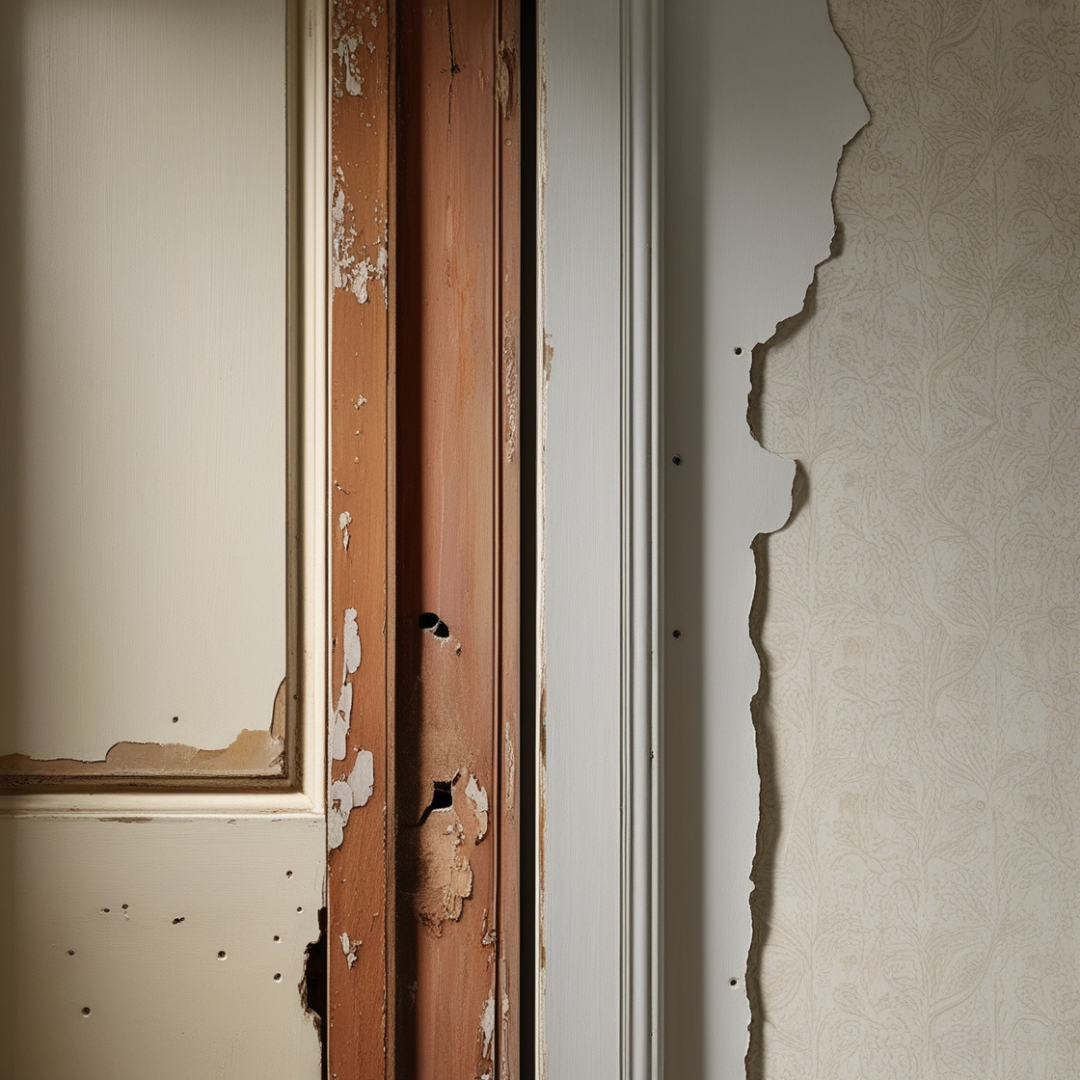
Door
Door Jamb
A door jamb is the vertical frame or structure that surrounds a door, providing support for the door’s hinges and securing it in place. It consists of the side jambs (the vertical parts), the head jamb (the top horizontal part), and sometimes a threshold at the bottom. Door jambs play a crucial role in ensuring the door opens and closes properly, offering structural support, stability, and security for both interior and exterior doors.


Reviews
There are no reviews yet.