
- Definition and Purpose
A door frame is a structural component that surrounds and supports a door, ensuring its correct installation and operation. The frame provides the foundation for mounting the door, offering the necessary support for hinges, locks, and other hardware. It typically consists of side jambs, a top head jamb, and sometimes a threshold at the bottom. The primary purpose of a door frame is to hold the door in place, facilitating smooth opening and closing while ensuring security and stability. - Components of a Door Frame
- Side Jambs: The vertical elements of the frame that run along each side of the door. They house the hinges, providing the support needed for the door to swing open and closed. The side jambs also provide a surface for the door latch or lock to connect when closed.
- Head Jamb: The horizontal piece that forms the top part of the door frame. It sits above the door and helps align the door within the frame. The head jamb ensures that the door remains in place when closed and also provides a surface for the top hinge.
- Threshold: The bottom component of a door frame, especially for exterior doors, that sits on the floor. It helps to provide a seal against drafts, rain, or dirt entering from outside. Thresholds are often used in exterior door frames to improve weatherproofing and energy efficiency.
- Materials Used for Door Frames
The material used for a door frame plays a significant role in its durability, aesthetic appeal, and functional properties. Common materials include:- Wood: Traditional and versatile, wood is one of the most popular materials for door frames. It is easy to work with, can be stained or painted, and provides a natural, warm aesthetic. Wooden door frames are commonly used in residential applications.
- Metal: Metal door frames, typically made from steel or aluminum, are used for exterior doors or in commercial settings where strength, security, and durability are critical. These frames are more resistant to weathering, wear, and forced entry, making them ideal for high-traffic areas.
- Composite: Composite materials like MDF (Medium Density Fiberboard) or engineered wood are increasingly used for door frames because of their strength, moisture resistance, and affordability. These materials are often favored in interior applications.
- Fiberglass: Some modern door frames are made from fiberglass, which offers excellent resistance to moisture, decay, and insects. Fiberglass frames are particularly common in exterior doors because they provide better insulation and are less prone to warping than wood.
- Design and Style
Door frames come in various styles, each suited to different interior and exterior design preferences:- Standard Door Frames: These are basic, utilitarian frames that are most commonly used in interior doors. They provide the necessary function without added decoration.
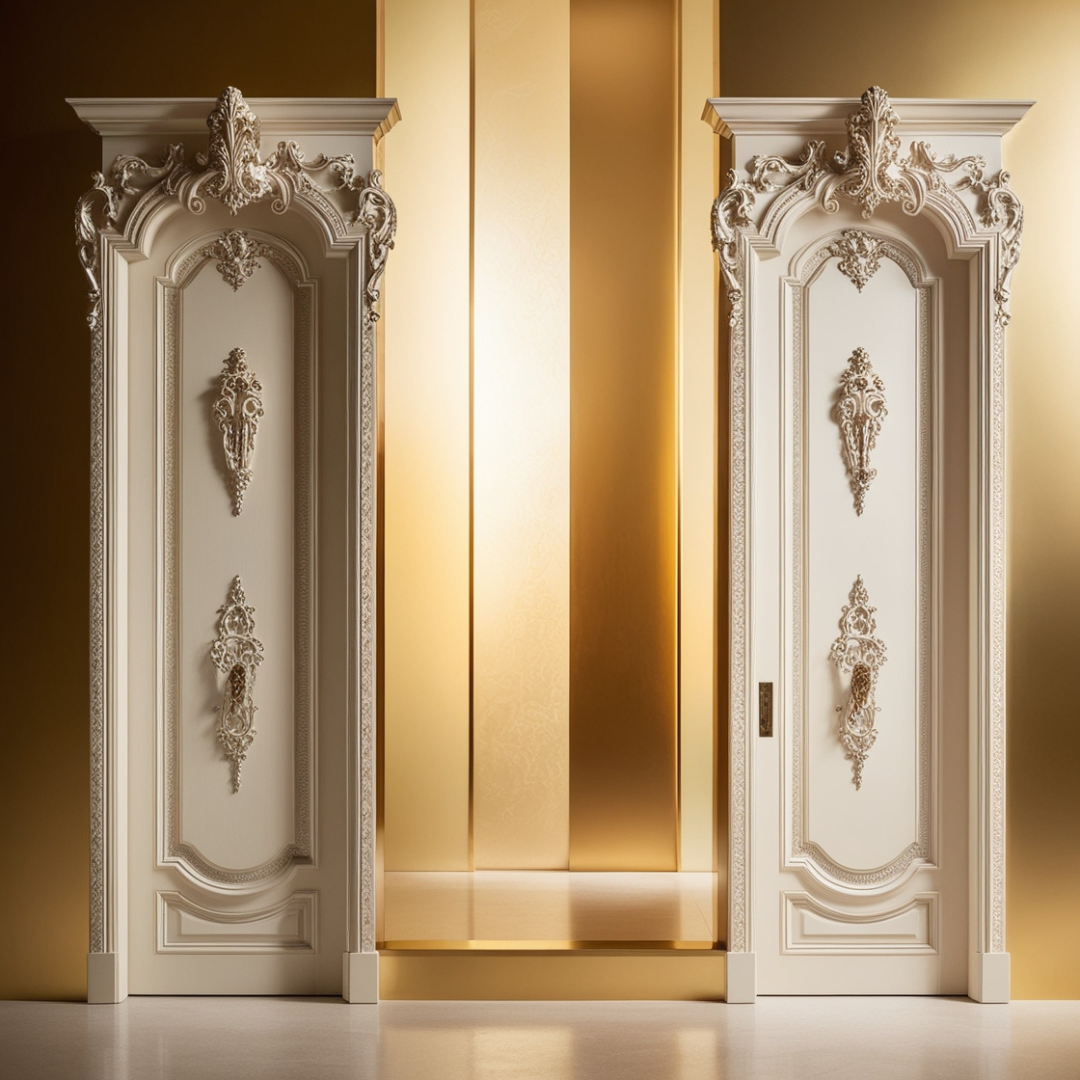
- Decorative Door Frames: For more ornate or traditional designs, door frames may include moldings, trim, or carved details that complement the door’s design and the surrounding décor. Decorative frames can include elements such as fluted columns, raised panels, or detailed finishes.
- Contemporary Door Frames: Modern designs often feature sleek, minimalist frames with clean lines and simple profiles. These frames are often made of wood, aluminum, or composite materials and suit modern or minimalist homes.
- Arched Door Frames: Arched frames are a common design feature in more traditional or Mediterranean-style homes. They create a more elegant look and are often paired with arched doors.
- Importance in Structural Integrity
The door frame plays a critical role in maintaining the structural integrity of a door installation. A well-built frame ensures that the door functions as intended, aligning properly within the opening and allowing for smooth operation. The frame also helps distribute the weight of the door and absorbs any force that is applied when the door is opened or closed, minimizing the potential for damage over time. A properly constructed frame ensures that the door does not sag, become misaligned, or malfunction. - Security Considerations
The door frame is essential for the security of a building, especially in the case of exterior doors. A sturdy, reinforced frame can prevent unauthorized entry and improve the overall security of the door. For high-security applications, such as storm doors or fire-rated doors, reinforced metal frames or frames with added reinforcements may be used to resist forced entry.- Reinforced Frames: Some doors, particularly in commercial or security-focused environments, use door frames that are reinforced with steel or other strong materials to provide extra resistance to break-ins.
- Fire-Rated Door Frames: For buildings that require fire protection, fire-rated door frames are used in combination with fire-rated doors to prevent the spread of flames and smoke. These frames are made of materials that can withstand high temperatures and prevent combustion.
- Installation Considerations
The installation of a door frame is a precise task that requires accurate measurements and alignment to ensure that the door functions correctly. Common steps in installing a door frame include:- Plumb and Level Installation: The frame must be installed plumb (vertical) and level (horizontal) to ensure that the door hangs correctly and opens/closes smoothly.
- Securing the Frame: The frame is secured to the surrounding wall with screws, nails, or anchors, depending on the material and the wall structure. Care must be taken to ensure that the frame is firmly attached and does not shift over time.
- Sealing the Gaps: Gaps between the door frame and the wall should be sealed with caulk or weatherstripping to prevent air leaks and ensure the frame is properly insulated.
- Energy Efficiency
A well-installed door frame can contribute to the energy efficiency of a home. Properly sealed door frames help to reduce drafts and prevent heat loss, improving the insulation around doors, particularly exterior doors. Insulated door frames with weatherstripping can help keep your home warmer in the winter and cooler in the summer, reducing heating and cooling costs. - Maintenance and Durability
Maintaining a door frame involves keeping the frame clean, inspecting for signs of wear, and ensuring that it remains securely installed. Wooden door frames may need occasional repainting or restaining, while metal or fiberglass frames are generally more resistant to weathering and require less maintenance. It’s also important to check for damaged seals or loose fasteners to ensure that the door frame remains effective over time. - Common Problems and Repairs
- Warping: Wooden door frames may warp due to changes in humidity or temperature. This can affect the door’s alignment, making it difficult to open or close.
- Cracking or Splitting: Over time, door frames, especially wooden ones, may crack or split due to wear and tear, humidity changes, or impact. These cracks can affect the frame’s structural integrity.
- Sagging Doors: If the door frame isn’t installed properly, the door may sag, leading to misalignment with the frame. This can cause issues with the door opening, closing, or locking correctly.
- Damage from Impact: In areas with high foot traffic or heavy usage, door frames may be damaged by accidental impacts. This may require the frame to be repaired or replaced.


Reviews
There are no reviews yet.