
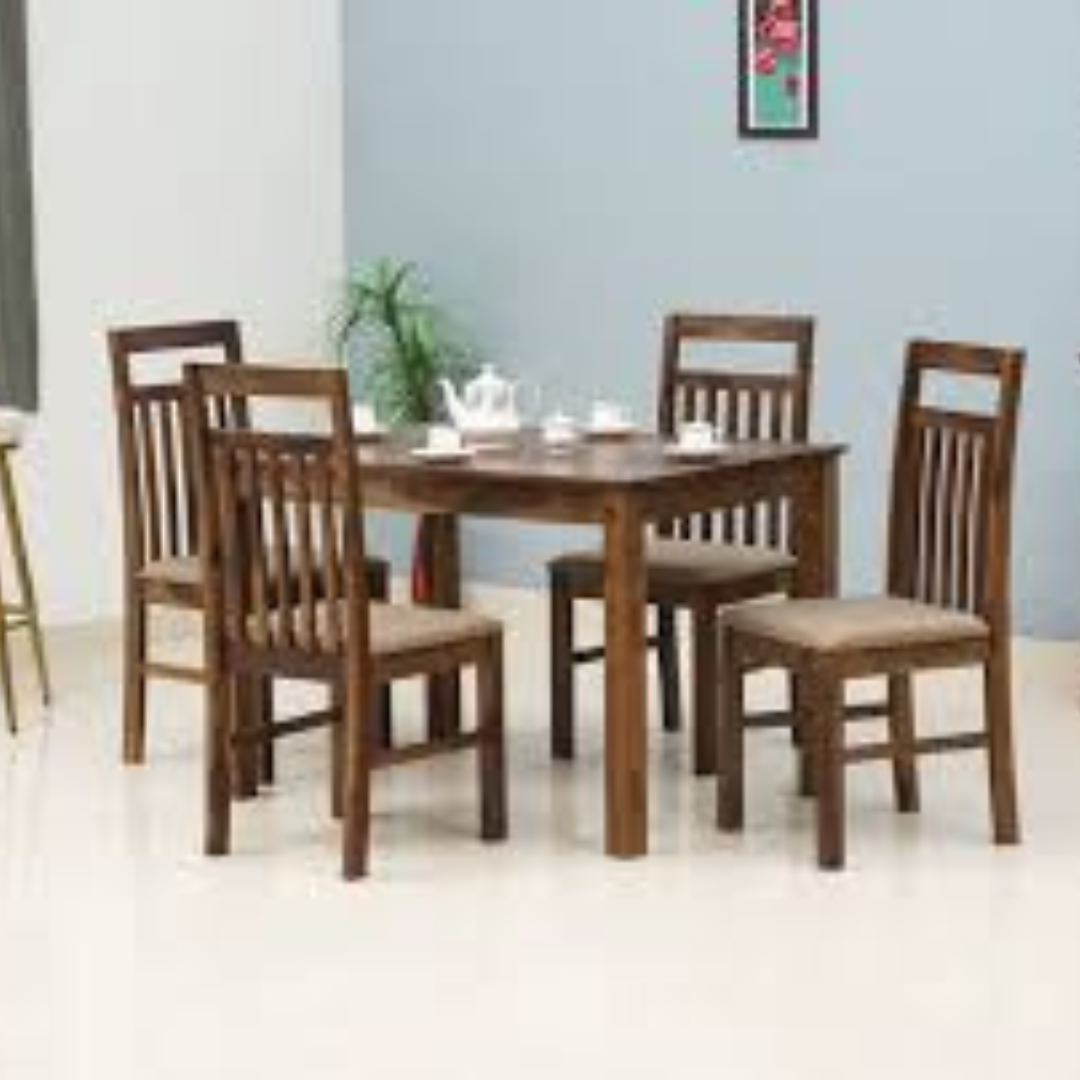
A dining table is a central piece of furniture designed primarily for eating meals and gathering with family or guests. It serves as the focal point of a dining area, whether it’s in a dedicated dining room, an open kitchen space, or an eat-in area. Dining tables are essential for everyday meals, but they also play a significant role in hosting larger social gatherings, holiday dinners, or celebrations, providing a surface for shared meals and creating a space for connection.
Dining tables come in a variety of sizes, shapes, and materials, allowing them to suit different room layouts, styles, and preferences. Common shapes include rectangular, round, square, and oval, with rectangular tables being the most popular due to their ability to comfortably accommodate multiple people. Round and oval tables are often favored in smaller spaces or where a more intimate setting is desired, as they promote conversation by allowing everyone to face each other. Square tables, while less common, are great for smaller families or compact dining areas.
Materials for dining tables vary widely, each offering different aesthetics and functionality. Wood is the most traditional and widely used material, offering warmth, texture, and durability. Wood dining tables come in many finishes, including natural, stained, or painted options, with popular woods such as oak, walnut, cherry, and maple. For a more modern or industrial look, metal dining tables, often with metal frames or legs, can provide a sleek, contemporary design. Glass dining tables, paired with metal or wooden bases, offer a light and airy feel, ideal for minimalist or modern interiors. Marble or stone dining tables add an element of luxury and elegance, though they require more maintenance to prevent damage.
The size of a dining table typically depends on the number of people it is intended to seat. Smaller tables are suitable for 2 to 4 people, while larger tables can seat 6, 8, or more people. Extending or expandable dining tables are ideal for those who frequently entertain, as they can increase in size when necessary, making them a flexible option for varying guest lists. In addition to seating, some dining tables offer built-in storage options, such as shelves or drawers, helping to keep dining essentials organized.
The style of a dining table can dramatically influence the look and feel of a room. Traditional dining tables may feature intricate woodwork, carvings, or ornate detailing, while modern or contemporary designs often focus on clean lines, minimalist forms, and unique materials. Some dining tables also offer a rustic or farmhouse aesthetic, with reclaimed wood and weathered finishes giving them a cozy, lived-in feel. The choice of dining table can reflect the overall interior design style, whether that be formal, casual, or somewhere in between.
In addition to the table itself, dining sets usually include matching chairs, which can be upholstered or made from wood or metal to complement the table’s design. The arrangement of the dining table and chairs is an important consideration, as it affects not only the aesthetic but also the comfort and functionality of the dining area.
Ultimately, the dining table is more than just a surface for meals—it’s a place for family and friends to gather, share conversations, and create memories. Its design and size should reflect the needs of the household and the space it occupies, balancing practicality with style. With a range of materials, shapes, and designs to choose from, the dining table remains an enduring centerpiece of any home.


Reviews
There are no reviews yet.