
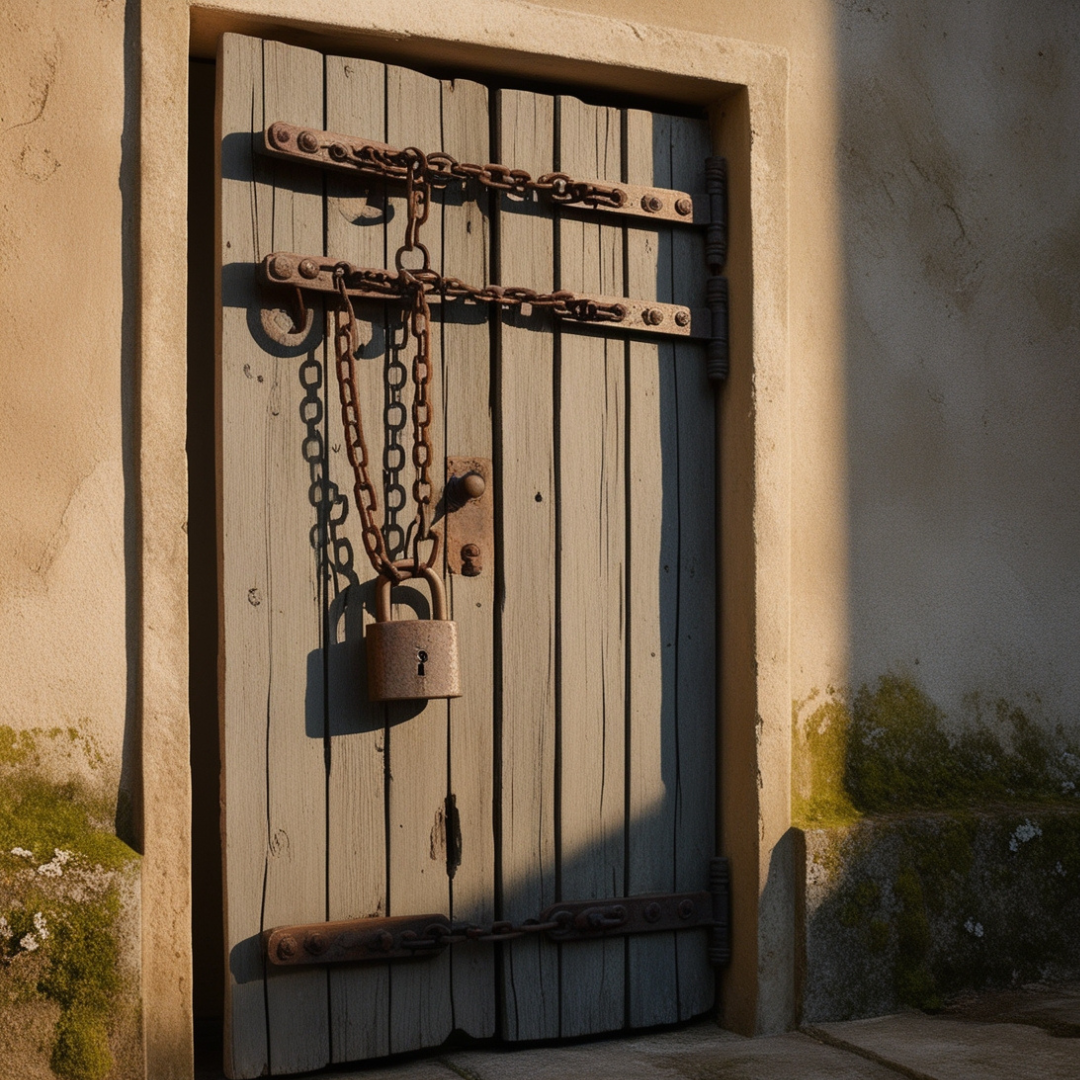
A door chain is a security feature installed on doors to provide an extra layer of safety and privacy. It allows the door to open slightly without fully unlocking, preventing potential intruders from forcing the door open while still enabling the occupant to interact with someone at the door. Door chains are commonly used in residential settings, often as a simple yet effective deterrent against unwanted access.
1. Definition and Purpose
A door chain is a metal or durable chain attached to both the door and its frame. It usually consists of a hook or latch mechanism that secures the door in place when the chain is engaged, preventing it from swinging wide open. The main purpose of a door chain is to offer security, allowing the homeowner to verify visitors before fully opening the door, while also providing a barrier against forced entry. When engaged, the chain only allows the door to be opened slightly, giving the occupant time to assess the situation without fully compromising their safety.
2. Components of a Door Chain
- Chain: Typically made of metal, the chain forms the central component of the security device. It connects the door to the frame and limits how far the door can be opened. The chain is usually designed to be strong enough to resist forced pulling or pressure.
- Latch or Hook: The latch or hook is installed on the door and door frame. It secures the chain in place and allows it to be easily disengaged when the door is to be fully opened.
- Mounting Plate: This is the part of the chain system that attaches the hook or latch to the door or frame. It ensures the chain remains securely in place during use.
3. Materials Used in Door Chains
Door chains are typically made from durable materials to ensure strength and security. Common materials include:
- Steel: The most common material for door chains due to its strength and durability. Steel chains are resistant to bending, rusting, and other forms of wear, providing a long-lasting security solution.
- Brass: Brass chains and hardware are also used in high-quality door chains. Brass offers a more polished appearance and is resistant to corrosion, making it a good option for decorative or aesthetically-minded applications.
- Zinc-Alloy: For a more budget-friendly option, zinc-alloy door chains are available. While not as strong as steel, they still offer basic security and durability for residential use.
4. Types of Door Chains
Door chains come in various designs, catering to different needs and preferences:
- Traditional Chain: The most common type, a traditional door chain uses a metal chain and hook system. It provides basic security for single-entry doors, like those in apartments or homes.
- Automatic Door Chains: Some advanced door chains automatically engage when the door is closed, requiring the user to simply pull a latch to disengage it. This offers enhanced convenience and ease of use.
- Heavy-Duty Door Chains: For greater security, heavy-duty chains feature thicker, stronger metal and more robust hardware. These are often used for exterior doors or in high-security environments.
- Decorative Door Chains: These feature ornamental finishes like brushed nickel, antique brass, or chrome, allowing the door chain to blend in with more elegant or modern interior designs. These provide security without compromising on aesthetics.
5. Installation and Placement
The door chain is typically installed at an appropriate height on the door, so it is within easy reach for the person inside. The mounting plate is usually positioned about 6-8 inches from the door’s edge, while the hook or latch is mounted on the frame. The installation process is relatively simple and can often be done by the homeowner without professional assistance. Most door chains come with screws and easy-to-follow installation instructions.
6. Security Benefits
- Prevent Forced Entry: One of the main reasons for installing a door chain is to prevent forced entry. When the chain is engaged, it provides a physical barrier that makes it more difficult for intruders to open the door. It can be particularly useful in apartments, homes, or areas with high foot traffic.
- Increased Privacy: A door chain offers a level of privacy by allowing occupants to verify the identity of the person at the door before fully opening it. It also enables the door to be cracked open just enough for conversation or delivery, without allowing full access to the interior.
- Peace of Mind: Knowing that there is an extra layer of security when answering the door provides peace of mind, particularly in unfamiliar situations or at night. Door chains give homeowners the confidence to interact with visitors or delivery personnel without feeling vulnerable.
7. Drawbacks and Limitations
While door chains are a useful security feature, they do have some limitations:
- Not Completely Secure: A door chain, while helpful, should not be relied upon as the primary security device. Strong enough force from an intruder could still break the chain, especially if the door frame or chain is of low quality.
- Vulnerable to Damage: If the chain or latch is installed improperly or made from inferior materials, it can be vulnerable to wear and tear, reducing its effectiveness over time. It’s important to check the door chain periodically for signs of damage or malfunction.
- Limited Protection for Exterior Doors: Door chains are generally intended for interior or less-accessible doors. For exterior doors, stronger locks, deadbolts, or security systems should be used in conjunction with the chain for better protection.
8. Maintenance and Care
Maintaining a door chain involves ensuring the chain remains free of rust or damage and that the latch or hook is functioning correctly. Regular checks should be made to ensure:
- Chain Condition: Make sure the chain is not stretched, rusted, or damaged. If the chain shows signs of wear, it should be replaced to ensure continued security.
- Latch Functionality: Ensure the latch or hook is securely fastened and works properly. If it becomes loose or damaged, it should be tightened or replaced.
- Cleaning: Periodically clean the chain and hardware to prevent dust or grime from interfering with its operation. Use a damp cloth and mild soap solution to clean metal parts, and dry them immediately to prevent rusting.
9. Applications of Door Chains
Door chains are primarily used for residential security, but they can also be found in a range of other applications:
- Apartment Buildings: In apartment complexes, door chains allow residents to verify visitors before opening the door fully, especially in high-traffic areas.
- Hotels: Many hotels use door chains for added guest security, especially for motel-style rooms or those with entry doors directly facing the street.
- Elderly or Vulnerable Individuals: Door chains are often recommended for elderly people or those who may be vulnerable to forced entry, as they provide an extra level of security without requiring complex or expensive technology.
- Secondary Entrances: Door chains are also ideal for secondary or less-frequented doors in homes, such as side or back doors.


Reviews
There are no reviews yet.