
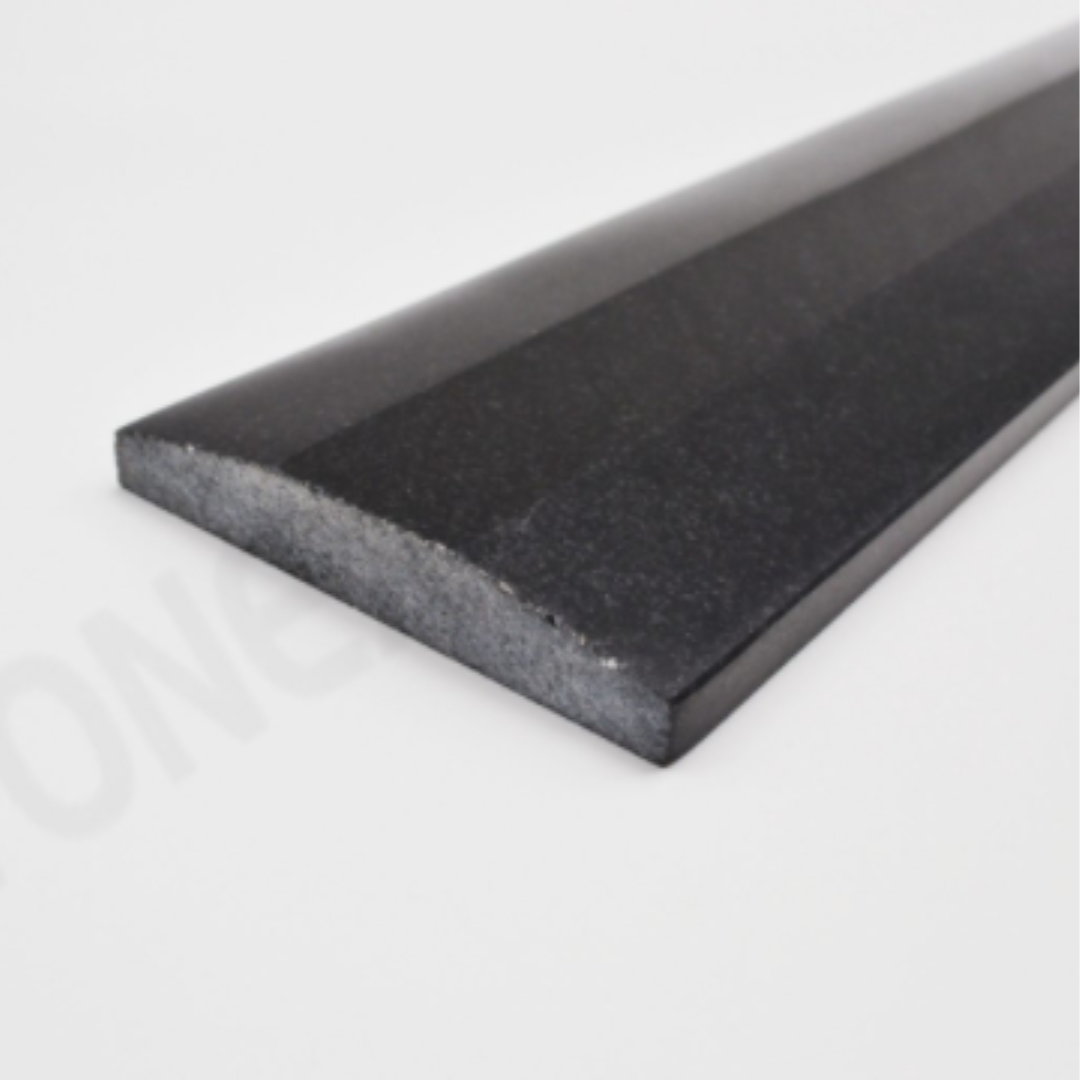
Thresholds are essential door components installed at the bottom of door frames to seal the gap between the door and the floor. While they serve a primary function of blocking drafts, moisture, dirt, and noise, they also play a critical role in improving energy efficiency, enhancing comfort, and maintaining the aesthetics of doors. Depending on the specific needs of the door and its surroundings, thresholds come in a variety of materials, sizes, and styles to suit both residential and commercial spaces.
1. What Are Thresholds?
A threshold is a horizontal strip of material that covers the gap at the base of a door frame. It sits between the door and the floor, preventing air, water, dust, and debris from entering a room. Thresholds also help to maintain a consistent indoor temperature by reducing the passage of air from the outside, making them an important element in energy efficiency. In addition to their functional benefits, thresholds also improve the overall appearance of a door and doorway, providing a clean, finished look.
Thresholds can be installed on both interior and exterior doors, although exterior thresholds are typically more robust to withstand weather conditions, while interior thresholds are often designed to match the aesthetics of the room.
2. Types of Thresholds
Thresholds are available in various materials and profiles to meet specific needs. Here are the most common types:
a. Wooden Thresholds
- Traditional Appeal: Wooden thresholds provide a classic look that complements wood doors and frames. They add a rustic or traditional touch to interior spaces.
- Durability: While they offer good sealing properties, wooden thresholds are best used in dry, indoor environments as they can be susceptible to moisture damage.
- Customization: Wooden thresholds can be easily customized by staining, painting, or shaping to match the door and room decor.
b. Metal Thresholds
- Strength and Durability: Metal thresholds, typically made of aluminum, brass, or stainless steel, are highly durable and resistant to wear and tear. Aluminum is commonly used for its rust-resistant properties, making it ideal for both residential and commercial spaces.
- Modern and Sleek: Metal thresholds often have a more contemporary look, adding a polished, industrial touch to modern doors and interiors.
- Water and Weather Resistance: Metal thresholds are better suited for outdoor or exterior doors, as they can handle exposure to moisture and extreme weather conditions.
c. Rubber Thresholds
- Flexibility and Seal Quality: Rubber thresholds are flexible and conform well to uneven surfaces, creating a more effective seal against drafts and dust. This makes them ideal for doors on uneven floors or in spaces that experience temperature fluctuations.
- Noise Reduction: Rubber is also a soundproofing material, making it an excellent choice for homes, offices, and buildings where noise insulation is important.
- Cost-Effective: Rubber thresholds are typically more affordable than wood or metal options, while still providing reliable sealing properties.
d. Vinyl Thresholds
- Low Maintenance: Vinyl thresholds are easy to maintain and clean, offering a smooth, durable surface that resists dirt and grime buildup.
- Cost-Effective: Like rubber, vinyl thresholds are budget-friendly and ideal for residential applications where cost is a concern.
- Good Insulation: Vinyl offers solid insulation properties, helping to prevent drafts and maintain a comfortable indoor environment.
e. Thresholds with Weatherstripping
Some thresholds come with integrated weatherstripping, a feature that enhances the door’s insulation capabilities by providing an extra seal against the elements. These are typically used in areas with extreme weather conditions or where additional insulation is needed.
3. Benefits of Thresholds
Thresholds offer several key advantages for homeowners, businesses, and property managers:
a. Enhanced Energy Efficiency
Thresholds help improve energy efficiency by sealing gaps under doors, reducing drafts, and preventing heat or cool air from escaping. This contributes to a more comfortable indoor environment and can reduce the workload on heating and cooling systems, potentially lowering energy bills.
b. Protection Against Moisture and Dirt
For exterior doors, thresholds help prevent rain, snow, and dirt from entering the home. They act as a barrier against water seepage, which can damage floors and furnishings over time. Rubber and metal thresholds are particularly effective at sealing out moisture, which is important for maintaining dry, clean indoor spaces.
c. Noise Reduction
Thresholds, particularly rubber ones, provide soundproofing benefits by blocking the passage of noise. This is especially useful in multi-unit buildings, offices, or homes where privacy and quiet are priorities.
d. Improved Comfort
By sealing gaps under doors, thresholds help maintain consistent temperatures within a room, creating a more comfortable environment. They prevent drafts from affecting indoor temperatures, helping rooms stay warmer in winter and cooler in summer.
e. Aesthetic Appeal
Thresholds can enhance the overall appearance of doors and doorways. They provide a clean, finished look, and can be selected in materials that match or complement the style of the door and surrounding space.
f. Increased Security
Some thresholds, especially those integrated with weatherstripping or seals, can also enhance security by preventing the easy passage of burglars or pests through gaps at the bottom of the door. A well-installed threshold can make it more difficult for intruders to lift the door from its frame.
4. Applications of Thresholds
Thresholds are used in both residential and commercial applications, offering solutions for a wide range of door types and needs:
a. Residential Use
In homes, thresholds are commonly installed on both exterior and interior doors. For exterior doors, they prevent drafts, moisture, and dirt from entering, improving indoor comfort and protecting the interior from weather damage. For interior doors, thresholds help block noise between rooms, provide a clean finish, and prevent dust from migrating from one room to another.
b. Commercial Use
In commercial spaces, such as offices, retail stores, or hospitals, thresholds are used to enhance energy efficiency, improve insulation, and maintain cleanliness. Commercial-grade thresholds often incorporate higher-quality materials for increased durability, especially in high-traffic areas.
c. Exterior Doors
Thresholds for exterior doors are typically made from more durable materials, like metal or rubber, to withstand exposure to the elements. These thresholds are essential for preventing water, drafts, and debris from entering the home, especially in areas with heavy rainfall, snow, or wind.
d. Interior Doors
For interior doors, thresholds serve more aesthetic and practical purposes, such as enhancing soundproofing, providing a neat transition between rooms, and preventing dust or debris from spreading. They are often made from wood or vinyl to match the door frame.
5. Installation of Thresholds
Installing a threshold is generally a straightforward process, although it requires accurate measurements to ensure a proper fit. The installation steps typically include:
- Measure the Door: Measure the width of the door frame to ensure the threshold fits correctly.
- Cut the Threshold (if necessary): Thresholds may need to be trimmed to fit the exact dimensions of the door.
- Clean the Area: Clean the doorframe and floor area to ensure the threshold forms a tight seal.
- Install the Threshold: Depending on the material, thresholds are installed using screws, nails, or adhesive strips. Metal thresholds may require screws, while rubber or vinyl thresholds can be affixed with strong adhesives.
- Seal the Edges: Ensure the threshold is flush with the door and the floor, forming a proper seal to block drafts and moisture.
6. Maintenance of Thresholds
Thresholds require minimal maintenance but should be periodically inspected for damage or wear:
- Clean Regularly: Keep the threshold clean from dust, dirt, and grime. Wipe it down with a damp cloth and use mild cleaning agents if needed.
- Check for Wear: Over time, thresholds may wear down, especially in high-traffic areas. Look for cracks, dents, or signs of wear, and replace the threshold if it no longer functions properly.
- Ensure Proper Seal: If the threshold becomes misaligned or the seal weakens, adjust or replace it to ensure optimal performance.


Reviews
There are no reviews yet.