
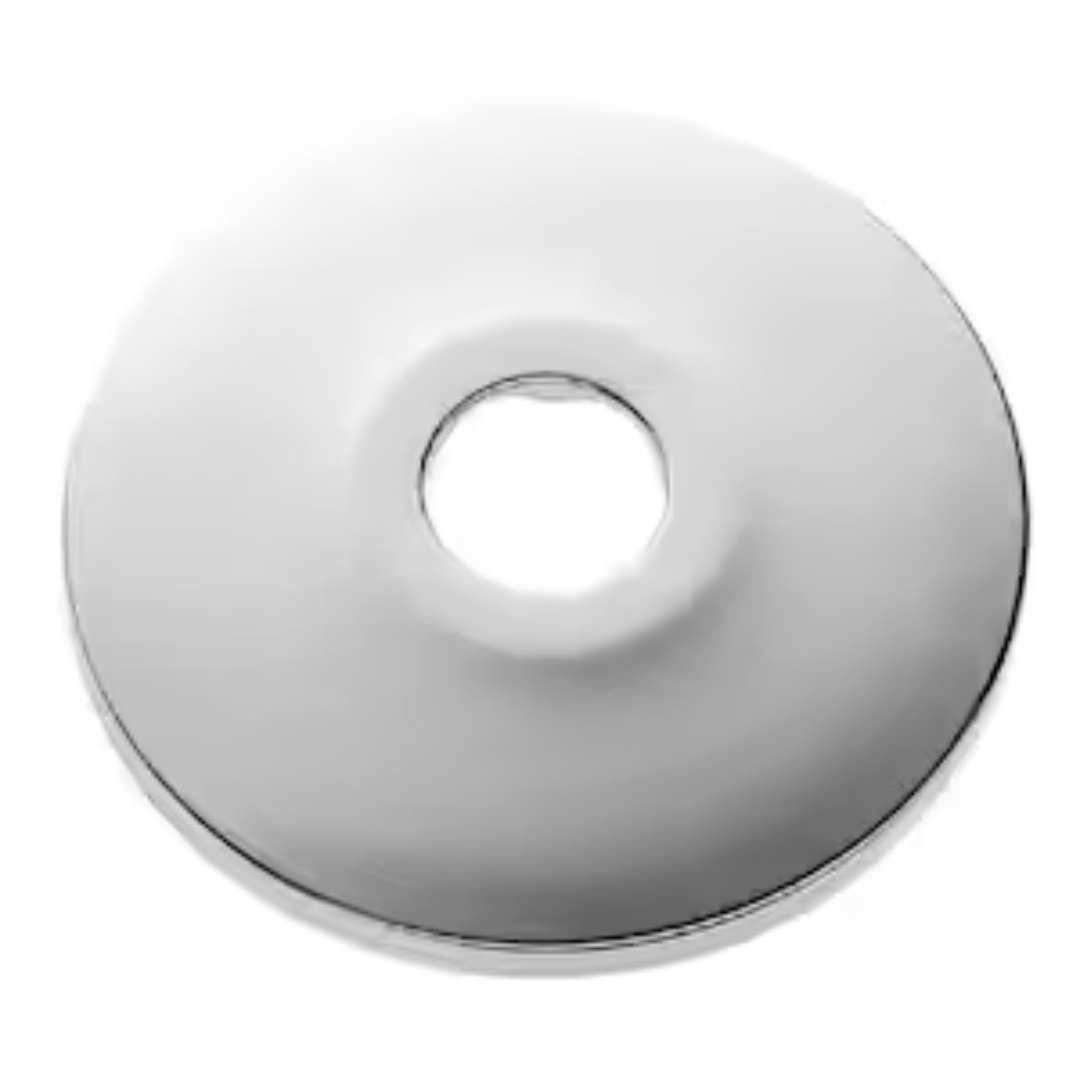
Escutcheon plates are functional and decorative components installed around door hardware, such as locks, keyholes, or handles. They serve multiple purposes, including protecting the door’s surface, enhancing the appearance of hardware, and adding an aesthetic finish. Made from durable materials like brass, stainless steel, or bronze, escutcheon plates are often used in both residential and commercial settings to complement doors and hardware while offering additional protection.
1. What Are Escutcheon Plates?
An escutcheon plate is a shield or cover that surrounds locks, latches, keyholes, or handles on doors, providing protection for the surrounding area from wear, scratches, and damage. The plate helps protect the door’s surface from the constant friction or impact caused by daily use of door hardware, such as the insertion of a key or turning of a handle. Escutcheons also offer a finished, polished look, improving the door’s overall aesthetic. They come in various shapes, sizes, and designs to match different door styles and hardware types.
2. Materials Used for Escutcheon Plates
Escutcheon plates are typically made from strong, durable materials that are both functional and visually appealing. Some of the most common materials include:
a. Brass
- Aesthetic Appeal: Brass escutcheon plates are known for their warm, golden hue that can enhance the classic or antique look of a door.
- Durability: Brass is resistant to corrosion and tarnish, making it ideal for use in both interior and exterior applications.
- Patina: Over time, brass develops a natural patina, giving it a distinctive, aged look that many homeowners and designers find desirable.
b. Stainless Steel
- Modern Appearance: Stainless steel escutcheon plates have a sleek, polished finish that complements contemporary or minimalist door designs.
- Rust Resistance: Stainless steel is highly resistant to corrosion, rust, and staining, making it suitable for both residential and commercial applications, especially in high-humidity or outdoor environments.
- Low Maintenance: Stainless steel requires little maintenance and retains its shiny, clean appearance with minimal effort.
c. Bronze
- Classic Elegance: Bronze escutcheon plates add a sophisticated, traditional look to doors. The natural aging process of bronze gives it a unique, antique appearance.
- Durability: Like brass, bronze is corrosion-resistant and very durable, ensuring long-lasting performance.
- Ideal for High-End Spaces: Bronze escutcheon plates are often used in luxury residential and commercial settings due to their aesthetic value.
d. Aluminum
- Lightweight: Aluminum is a lightweight material that still offers excellent durability and strength.
- Cost-Effective: Aluminum escutcheon plates are generally more affordable than other metal options like brass or bronze, making them suitable for budget-conscious projects.
- Customizable: Aluminum can be anodized or painted, providing a variety of colors and finishes to suit different door styles.
e. Plastic or Resin
- Budget-Friendly: Plastic or resin escutcheon plates are affordable and lightweight alternatives to metal plates.
- Flexible Design: These materials can be molded into different shapes and designs, offering greater customization in terms of style and color.
- Less Durable: While affordable, plastic escutcheons may not offer the same level of longevity and protection as metal options.
3. Benefits of Escutcheon Plates
Escutcheon plates offer a range of functional and aesthetic benefits, making them a valuable addition to any door. Here are the key advantages:
a. Protects the Door Surface
Escutcheon plates protect the door’s surface from damage caused by constant use of door hardware, such as keys, handles, or locks. They act as a buffer, preventing scratches, dents, and other marks from forming around the hardware.
b. Enhances Aesthetic Appeal
Escutcheon plates provide a clean, polished look to doors by covering up hardware installations and rough edges. Available in various styles, finishes, and materials, they can complement the door’s design and enhance the overall aesthetic of a room or entryway.
c. Prevents Wear on Hardware
By covering the area around the hardware, escutcheon plates help reduce wear and tear on the lock, keyhole, or handle. They protect the surrounding door surface from constant abrasion, which can damage both the door and the hardware over time.
d. Easy to Install
Escutcheon plates are typically easy to install and can be mounted using screws or adhesive. They are available in different sizes to fit various types of hardware and can be easily swapped out if you want to update your door’s look or replace damaged plates.
e. Improves Door Security
In addition to their aesthetic benefits, escutcheon plates also contribute to door security. Some designs are made with reinforced materials that make it harder to tamper with locks or handles. This added layer of protection can help enhance the security of entry doors in residential or commercial properties.
f. Covers Damaged Areas
If the door has been damaged around the hardware, an escutcheon plate can cover the imperfections, providing a more polished appearance and hiding unsightly holes or marks.
4. Types of Escutcheon Plates
Escutcheon plates come in several different types, each designed to serve specific purposes and suit different door hardware. Common types include:
a. Single Hole Escutcheon Plates
These are designed to cover keyholes or single locks, providing a simple and elegant solution for doors with a single piece of hardware.
b. Full Escutcheon Plates
Full escutcheons cover a larger area and are typically used for more complex hardware configurations, such as multi-point locks or elaborate handle systems. These plates provide more coverage and are often used in both residential and commercial applications.
c. Ring or Cup Escutcheon Plates
This style is typically used around keyholes, often in traditional or antique doors. The ring or cup shape provides a refined, vintage look.
d. Escutcheon Plates for Handles
These plates surround door handles, providing a decorative and protective finish. They are designed to cover the space around the handle, especially in cases where the handle is attached directly to the door surface.
5. Applications of Escutcheon Plates
Escutcheon plates are versatile and can be used in a variety of settings, including:
a. Residential Doors
Escutcheon plates are commonly used in homes to protect door surfaces and add a touch of elegance to entry doors, interior doors, or cabinets. They are particularly useful on doors with antique or classic hardware, such as traditional keyholes or decorative handles.
b. Commercial Properties
In commercial settings, escutcheon plates are often used to provide a finished, professional appearance to office doors, hotel doors, or public buildings. They are ideal for doors with heavy use, offering protection and aesthetic value.
c. Historical or Restored Doors
Escutcheon plates are frequently used in historic buildings or restored doors to maintain their original appearance while offering protection for the underlying wood or metal. They ensure that modern hardware can be installed without damaging the door’s surface.
d. Security Doors
For doors equipped with high-security locks, escutcheon plates can provide an additional layer of protection and help conceal the hardware. Some escutcheon plates are designed specifically for enhanced security, with reinforced materials or locking mechanisms.
6. Installation of Escutcheon Plates
Installing escutcheon plates is typically a straightforward process that requires minimal tools. Here’s a general guide for installation:
- Choose the Right Plate: Select an escutcheon plate that fits your hardware and door style. Measure the hardware to ensure the escutcheon covers the required area.
- Position the Plate: Place the escutcheon plate around the lock or handle. Ensure it is properly aligned and centered before marking any installation holes.
- Secure the Plate: Use screws, nails, or adhesive to fix the escutcheon plate to the door. Most escutcheon plates come with pre-drilled holes for screws, which are typically included with the plate.
- Check for Alignment: After installation, check that the escutcheon is aligned correctly and that it securely covers the hardware.
7. Maintenance of Escutcheon Plates
Maintaining escutcheon plates is simple and involves periodic cleaning to keep them looking their best. Depending on the material, use appropriate cleaning solutions to remove dirt, fingerprints, or tarnish:
- Brass: Polish brass escutcheons with a brass cleaner to maintain their shine and prevent tarnishing.
- Stainless Steel: Wipe down with a soft cloth and stainless steel cleaner to remove smudges and fingerprints.
- Bronze: Use a mild soap solution and cloth to clean, but avoid harsh chemicals that could damage the patina.
- Aluminum: Regular dusting and wiping with a damp cloth is sufficient for aluminum escutcheon plates.



Reviews
There are no reviews yet.