

Marble Temples (Mandir) are majestic and intricately designed religious structures crafted from premium marble. These temples serve as sacred spaces for worship, prayer, and meditation, offering a serene environment for spiritual practices. With their timeless beauty, durability, and the natural elegance of marble, these mandirs have become an essential element in Hindu religious architecture. Marble’s smooth surface and ability to hold intricate carvings make it the ideal material for creating divine and sacred spaces. Below are the key points that define the significance, beauty, and craftsmanship of marble temples:
1. Material – High-Quality Marble
- Durability and Strength: Marble is a naturally strong and durable stone, making it ideal for creating temples that stand the test of time. These temples are often passed down through generations, maintaining their structural integrity for centuries.
- Elegance and Aesthetic Appeal: The natural luster and veining of marble add a timeless beauty to the structure. Its smooth texture and radiant finish enhance the spiritual ambiance, making marble temples a visual focal point in any space.
- Variety of Marble Types: Depending on the design, marble temples can be crafted from different types of marble, including white, beige, pink, and green, each offering a unique color and pattern that complements the divine environment.
2. Craftsmanship and Design
- Intricate Carvings and Decorations: Marble temples are often adorned with detailed carvings of deities, religious symbols, mythological scenes, and decorative patterns. Skilled artisans use traditional techniques to bring these carvings to life, ensuring each temple is a masterpiece of craftsmanship.
- Architectural Styles: Marble mandirs typically follow traditional Hindu architectural styles, such as Nagara, Dravidian, and Indo-Aryan, which are reflected in the temple’s structure, columns, arches, and domes. The design often incorporates elements like pillars, spires (shikhara), and ornate bases.
- Sacred Symbols: Many marble temples feature carvings of sacred Hindu symbols such as the Om, Swastika, Lotus, and Trishul (trident), each representing different aspects of spirituality, divine energy, and cosmic balance.
3. Religious and Spiritual Significance
- Sacred Space for Worship: Marble temples serve as sanctuaries for prayer, meditation, and spiritual rituals. These temples house deities and are the focal point for devotees seeking blessings, peace, and spiritual growth.
- Divine Representation: The carvings of gods and goddesses in marble temples, such as Lord Vishnu, Lord Shiva, Goddess Durga, and Lakshmi, are central to the temple’s purpose. These depictions invite worshippers to connect with the divine and experience spiritual upliftment.
- Temple Rituals: The mandir serves as a place where regular rituals and ceremonies, such as Aarti (devotional songs) and Puja (prayer offerings), take place. These rituals are meant to honor deities and invite divine presence into the home or community.
4. Architectural and Decorative Features
- Pillars and Columns: Marble temples often feature ornate pillars and columns, which not only provide structural support but also enhance the overall aesthetic. These columns are typically intricately carved with religious motifs, animals, and divine symbols.
- Domes and Spires: Many marble mandirs feature domes and spires (shikharas), which are characteristic of traditional Hindu temple architecture. The height of the spire symbolizes the connection between the earthly realm and the divine.
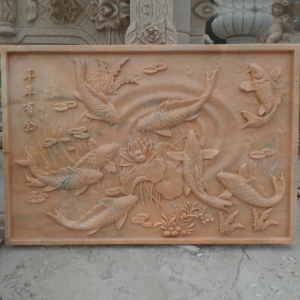
- Detailed Friezes and Reliefs: The walls of marble temples are often adorned with friezes and reliefs depicting mythological tales, historical events, or spiritual teachings, which enhance the temple’s beauty and cultural richness.
5. Size and Versatility
- Customizable Sizes: Marble temples are available in a wide range of sizes, from small, personal home mandirs to large, intricate temples for public worship. Custom sizes can be designed to fit specific spaces, whether for a corner in a home or a grand temple in a community.
- Portable Home Temples: For smaller spaces or private worship, many marble mandirs are designed as portable units, allowing worshippers to set up a sacred space in their homes. These can be placed in prayer rooms or personal altars and are often designed with the same level of detail as larger temples.
- Community and Temple Complexes: Large marble temples can serve as the focal point of temple complexes, often surrounded by courtyards, gardens, and other structures. These temples are integral to communal worship and cultural activities.
6. Cultural and Historical Significance
- Preserving Tradition: Marble temples are often designed in accordance with ancient architectural principles outlined in texts such as the Vastu Shastra and Shilpa Shastra. These principles ensure that the mandir aligns with sacred geometry and cosmic energy, enhancing the spiritual experience.
- Heritage and Legacy: Many marble temples have historical significance, reflecting the art, culture, and traditions of different regions in India and beyond. They are often built as part of religious or cultural revival movements, preserving and celebrating regional architectural styles and craftsmanship.
- Monuments of Faith: In addition to their practical use as places of worship, marble temples often become cultural monuments, attracting pilgrims and tourists from around the world due to their architectural beauty and historical significance.
7. Maintenance and Longevity
- Low Maintenance: Marble temples are relatively easy to maintain, requiring regular cleaning to preserve their shine and prevent buildup of dust. The durability of marble ensures that these temples remain in good condition with minimal upkeep.
- Weather Resistance: Given marble’s natural resilience, these temples can withstand various weather conditions, making them suitable for both indoor and outdoor installations.
- Long-lasting Investment: A marble temple is often seen as an investment for the future, as the stone’s durability and the timelessness of the design ensure that the temple can be passed down through generations, maintaining its spiritual and aesthetic value.
8. Personalization and Customization
- Tailored Designs: Many marble temples are custom-designed to meet the specific spiritual or aesthetic preferences of the owner. Whether it’s the inclusion of specific deities, symbols, or unique carvings, artisans can craft a mandir that reflects the personal devotion and style of the worshipper.
- Decorative Inscriptions: Custom inscriptions, mantras, or religious verses can be added to the walls or bases of the temple, making it even more personal and meaningful.
- Size and Features: Depending on space and budget, the design can be tailored with different features like storage spaces for religious items, decorative lighting, or specialized altar arrangements.
9. Eco-Friendly Aspect
- Natural Material: Marble is a natural, eco-friendly material, making it a sustainable choice for temple construction. When sourced responsibly, it has a lower environmental impact compared to synthetic alternatives.
- Longevity and Sustainability: Marble’s durability ensures that the temple will last for generations, reducing the need for frequent replacements or maintenance, which contributes to its overall sustainability.
Reviews
There are no reviews yet.