
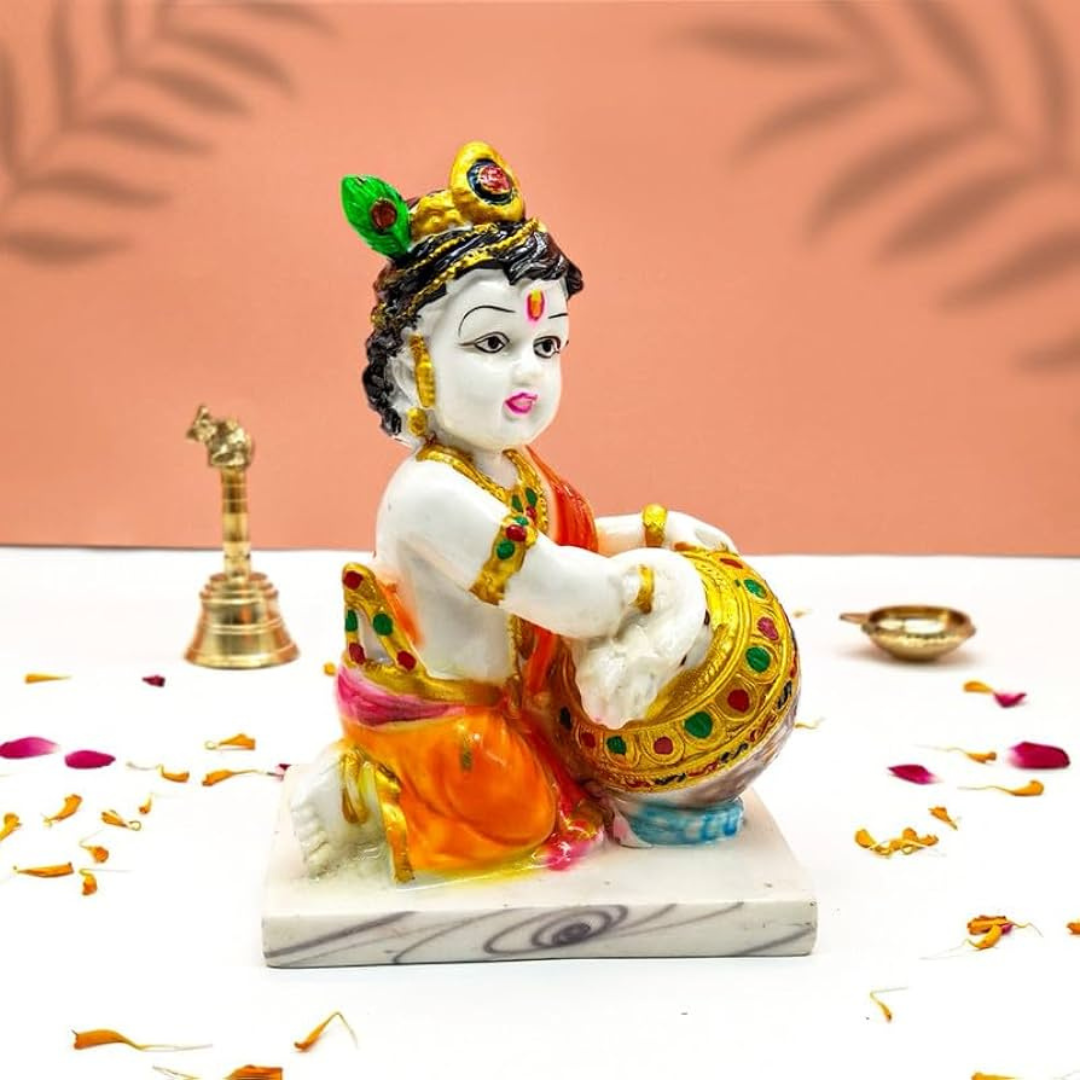
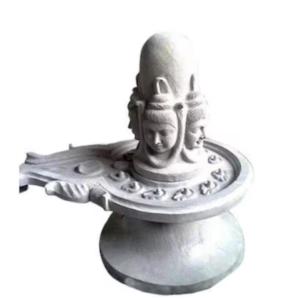
Marble Statues of Deities are exquisite hand-carved sculptures made from high-quality marble, representing various gods and goddesses from Hindu mythology and other religious traditions. These statues are revered not only for their craftsmanship but also for their ability to embody the divine essence and spiritual significance of the deities they represent. Marble, known for its timeless elegance, durability, and natural beauty, enhances the grace and majesty of these divine figures. Below are the key points that define the importance, beauty, and cultural significance of marble statues of deities:
1. Material – Premium Quality Marble
- Durability and Longevity: Made from high-quality marble, these statues are built to last for generations. Marble’s strength and resilience make it a perfect material for sculptures that can withstand the test of time.
- Elegant Aesthetic: The smooth texture and natural veins in marble give the statues a refined, polished look that enhances their beauty. The material’s natural shine and elegance elevate the divine presence of the deity.
- Variety of Marble Types: Marble statues are crafted from various types of marble, including white, pink, beige, and green, each offering unique veining and tones that contribute to the individual charm of the sculpture.
2. Intricate Craftsmanship
- Handcrafted Detailing: Skilled artisans meticulously carve each marble deity statue by hand, paying attention to every detail—from the fine contours of the face to the intricate clothing and jewelry. This fine craftsmanship ensures that each statue is a unique masterpiece.
- Symbolic Representations: The statues often feature symbolic elements associated with the deities, such as weapons (Trishul for Lord Shiva), lotuses (for Goddess Lakshmi), or conch shells (for Lord Vishnu), all intricately detailed to reflect their divine attributes.
- Posture and Expression: The posture, gestures (mudras), and facial expressions of the statues are designed to capture the deity’s essence, conveying peace, power, or benevolence, depending on the nature of the god or goddess represented.
3. Spiritual and Religious Significance
- Divine Presence: Marble statues of deities are seen as sacred representations of the divine. Devotees believe that these statues act as physical manifestations of the deity’s spiritual energy, making them essential for worship and meditation.
- Focal Point for Worship: These statues are central to religious ceremonies, prayer, and rituals. Whether in a home altar, temple, or spiritual center, they provide a focal point for connecting with the divine during pujas (prayers) and other rituals.
- Sacred Offerings: The statues are often placed on pujan thalis (prayer trays), surrounded by offerings of flowers, fruits, incense, and oil lamps, forming a sacred environment for devotion and prayer.
4. Cultural and Mythological Representation
- Iconography of Hindu Deities: These marble statues often depict major Hindu gods and goddesses, such as Lord Ganesha, Lord Shiva, Lord Vishnu, Goddess Durga, Goddess Saraswati, Lord Krishna, and many others. Each deity is represented with specific iconography that tells a story of their divine qualities and powers.
- Depictions of Hindu Epics: Statues of deities are frequently based on stories and themes from sacred texts like the Ramayana, Mahabharata, and the Puranas. These figures capture significant moments from these epics, portraying the heroism, virtues, and divine interventions of the gods and goddesses.
- Regional Variations: While the fundamental representations of deities remain consistent, marble statues may vary in style depending on regional artistic traditions. For example, the way Lord Shiva is depicted in South India may differ from representations in Northern India, reflecting regional artistic nuances.
5. Size and Customization
- Variety of Sizes: Marble statues of deities come in various sizes, ranging from small, tabletop-sized idols for home altars to large statues for temples, public places, or gardens. The size can be customized to suit the space and purpose of the statue.
- Customization and Personalization: Many artisans offer the option to customize statues with specific details, such as personalized clothing, jewelry, or symbolic features. This allows devotees to create unique representations of the deity according to their personal or regional preferences.
- Multiple Deities in One Statue: Some marble statues feature multiple deities in one design, representing divine combinations such as Lord Vishnu with Goddess Lakshmi or Lord Ganesha with Goddess Durga. These multi-deity statues are popular in temples and homes for their comprehensive spiritual significance.
6. Architectural Integration
- Temple Statues: Large marble statues of deities are often placed in the sanctum of temples, where they serve as the focal point for prayer and rituals. These statues contribute to the temple’s spiritual atmosphere, enhancing the sacredness of the space.
- Home and Office Décor: Marble deity statues are also commonly used in homes, offices, and spiritual centers as a way to invite divine blessings and positive energy. They serve as visual reminders of faith and devotion.
- Public Monuments: Some marble statues of deities are commissioned for public spaces, parks, and religious institutions, where they serve as symbols of spirituality, peace, and cultural heritage.
7. Aesthetic and Decorative Appeal
- Timeless Beauty: The elegant finish of marble, combined with intricate detailing, gives these statues a timeless beauty that transcends generations. Whether in traditional or modern spaces, marble statues add a touch of spiritual grandeur and sophistication.
- Harmonizing with Interior Décor: Marble deities complement a wide range of interior designs, from traditional Indian aesthetics to minimalist or contemporary settings. The neutral tones and refined texture of marble allow these statues to seamlessly integrate into diverse décor styles.
- Symbolic Art: These statues are not only religious objects but also pieces of art that reflect the rich cultural and artistic heritage of the region. Their presence in a home or temple can serve as both a spiritual symbol and a decorative focal point.
8. Maintenance and Care
- Low Maintenance: Marble statues are relatively low-maintenance. Regular dusting and cleaning with a soft cloth can preserve the shine and intricate carvings. For deeper cleaning, a mild soap solution and soft brush can be used to avoid damaging the surface.
- Durability: Marble’s natural durability ensures that these statues can endure for many years, making them a valuable spiritual and artistic investment. Proper care can maintain their appearance and prevent discoloration over time.
- Protecting from Elements: For outdoor statues, it’s essential to protect them from extreme weather conditions to prevent erosion. However, marble statues designed for outdoor use are often treated to withstand environmental factors.
9. Symbolism and Blessings
- Positive Energy: Marble statues of deities are believed to bring positive energy, blessings, and divine protection to the space they occupy. Devotees believe that placing these statues in their homes or temples creates a spiritually charged environment conducive to peace, prosperity, and harmony.
- Spiritual Focus: These statues help focus the mind during meditation and prayer. They serve as reminders of the divine virtues associated with the depicted deity, such as wisdom, strength, prosperity, or compassion.
10. Eco-Friendly and Sustainable
- Natural Material: Marble is a natural, sustainable material that has been used for centuries in religious art and architecture. When sourced responsibly, it has a low environmental impact compared to synthetic alternatives.
- Longevity: Given its durability, marble statues do not need to be replaced frequently, making them a more sustainable choice over time.
Reviews
There are no reviews yet.